Nori Seaweed
Auto-generated content. This description was generated automatically and is pending editorial review. Inaccuracies are possible. Found a mistake? Contact us.
What it is
Nori is a type of edible seaweed, typically a dark green or black dried sheet. It is cultivated in coastal waters, primarily in Japan, Korea, and China. The seaweed is harvested, washed, pressed into thin sheets, and then dried, often by sun or mechanical drying.
Why it's used
Nori is most commonly used to wrap sushi and onigiri (rice balls). It can also be crumbled and used as a seasoning for soups, noodles, and rice, or incorporated into snacks like chips and crackers. Manufacturers use it primarily for its distinct savory flavor and texture.
Health notes
Nori is generally recognized as safe (GRAS) by the FDA for use in food. It is a source of vitamins, minerals, and fiber. JECFA has evaluated seaweed and its derivatives, and EFSA has also assessed certain seaweed components. Some seaweeds can contain high levels of iodine, which is important for thyroid function but can be problematic in excessive amounts.
Allergen info
Nori is a type of seaweed and is not derived from one of the nine FDA major allergens. It is also not a source of gluten.
Products containing Nori Seaweed
Compare products →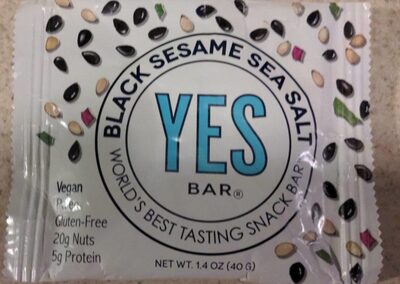 The YES Bar Company
Black Sesame Sea Salt Snack Bar, Black Sesame Sea Salt
550kcal
12.5Protein
42.5Fat
32.5Carbs
The YES Bar Company
Black Sesame Sea Salt Snack Bar, Black Sesame Sea Salt
550kcal
12.5Protein
42.5Fat
32.5Carbs
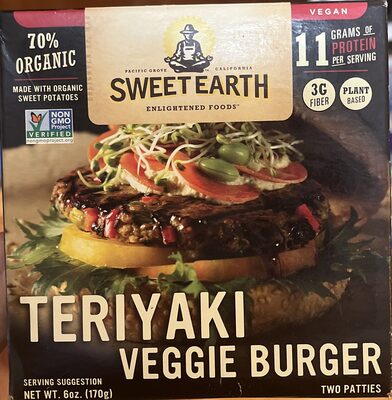 Sweet Earth Natural Foods
Teriyaki Veggie Burger, Teriyaki
200kcal
12.9Protein
5.9Fat
23.5Carbs
TRIBALÍ FOODS, Inc.
Umami Beef Patties, Umami
High in sodium — 23% DV per serving
High in saturated fat — 30% DV per serving
High in cholesterol — 20% DV per serving
212kcal
16.8Protein
14.2Fat
4.4Carbs
Sweet Earth Natural Foods
Teriyaki Veggie Burger, Teriyaki
195kcal
12.4Protein
6.2Fat
23.9Carbs
Sweet Earth Natural Foods
Teriyaki Veggie Burger, Teriyaki
200kcal
12.9Protein
5.9Fat
23.5Carbs
TRIBALÍ FOODS, Inc.
Umami Beef Patties, Umami
High in sodium — 23% DV per serving
High in saturated fat — 30% DV per serving
High in cholesterol — 20% DV per serving
212kcal
16.8Protein
14.2Fat
4.4Carbs
Sweet Earth Natural Foods
Teriyaki Veggie Burger, Teriyaki
195kcal
12.4Protein
6.2Fat
23.9Carbs
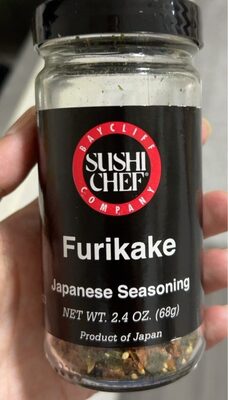 Baycliff Company, Inc.
Furikake Japanese Seasoning
500kcal
25Protein
25Fat
25Carbs
Sweet Earth Natural Foods
Teriyaki Made With Edamame, Quino, Sweet Potato, Carrot, Flaxseed, Sesame And Ginger Plus Our Homemade Teriyaki Sauce Veggie Burger, Teriyaki
225kcal
14.1Protein
8.4Fat
22.5Carbs
Baycliff Company, Inc.
Furikake Japanese Seasoning
500kcal
25Protein
25Fat
25Carbs
Sweet Earth Natural Foods
Teriyaki Made With Edamame, Quino, Sweet Potato, Carrot, Flaxseed, Sesame And Ginger Plus Our Homemade Teriyaki Sauce Veggie Burger, Teriyaki
225kcal
14.1Protein
8.4Fat
22.5Carbs