Not More Than 2% Olive Oil Added As A Processing Aid
What is Not More Than 2% Olive Oil Added As A Processing Aid?
Olive oil is a liquid fat made by pressing olives, a fruit native to the Mediterranean region. It is used as a processing aid, meaning it helps in the manufacturing of food but is not intended to be a significant ingredient in the final product. The amount used is typically very small, not more than 2% of the product's weight.
Is Not More Than 2% Olive Oil Added As A Processing Aid vegan?
Not More Than 2% Olive Oil Added As A Processing Aid is not animal-derived. Products that contain it can still include other animal-derived ingredients, so check the full ingredient list.
Is Not More Than 2% Olive Oil Added As A Processing Aid gluten-free?
It does not contain gluten.
Is Not More Than 2% Olive Oil Added As A Processing Aid a major allergen?
Olive oil is not derived from any of the nine major allergens.
What is Not More Than 2% Olive Oil Added As A Processing Aid used for?
Manufacturers use small amounts of olive oil as a processing aid to help with tasks like preventing sticking or improving texture during food production.
Is Not More Than 2% Olive Oil Added As A Processing Aid safe?
Olive oil is generally recognized as safe (GRAS) by the FDA when used as a food ingredient.
Why it's used
Manufacturers use small amounts of olive oil as a processing aid to help with tasks like preventing sticking or improving texture during food production. It is often found in snacks like popcorn, peanuts, and other roasted nuts where it can contribute to flavor and mouthfeel.
Health notes
Olive oil is generally recognized as safe (GRAS) by the FDA when used as a food ingredient. It is a source of monounsaturated fats, which are considered a healthy fat. The World Health Organization (WHO) and the European Food Safety Authority (EFSA) have not set specific limits for olive oil consumption, recognizing it as a staple of healthy dietary patterns like the Mediterranean diet. No significant health concerns are associated with the small amounts used as a processing aid.
Allergen info
Olive oil is not derived from any of the nine major allergens. It does not contain gluten.
Foods that contain Not More Than 2% Olive Oil Added As A Processing Aid
Compare products →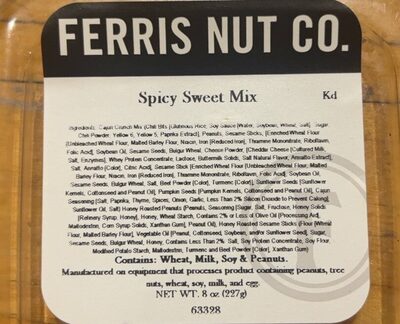 Ferris Coffee & Nut Co.
Spicy Sweet Mix
533kcal
16.7Protein
40Fat
36.7Carbs
Stuckey's Corporation
Honey Roasted Pecans, Honey Roasted
633kcal
6.7Protein
56.7Fat
30Carbs
Ferris Coffee & Nut Co.
Honey Roasted Peanuts, Honey
High in saturated fat — 75% DV per serving
533kcal
20Protein
40Fat
30Carbs
Rafael Padilla & Cia S. En C.
Honey Roasted Peanuts, Honey Roasted
533kcal
20Protein
40Fat
30Carbs
Ferris Coffee & Nut Co.
Spicy Sweet Mix
533kcal
16.7Protein
40Fat
36.7Carbs
Stuckey's Corporation
Honey Roasted Pecans, Honey Roasted
633kcal
6.7Protein
56.7Fat
30Carbs
Ferris Coffee & Nut Co.
Honey Roasted Peanuts, Honey
High in saturated fat — 75% DV per serving
533kcal
20Protein
40Fat
30Carbs
Rafael Padilla & Cia S. En C.
Honey Roasted Peanuts, Honey Roasted
533kcal
20Protein
40Fat
30Carbs
Learn more
Auto-generated content. This description was generated automatically and is pending editorial review. Inaccuracies are possible. Found a mistake? Contact us.