Octopus
Auto-generated content. This description was generated automatically and is pending editorial review. Inaccuracies are possible. Found a mistake? Contact us.
What it is
Octopus is a marine mollusk with eight arms, found in oceans worldwide. It is typically caught wild or farmed, then cleaned and prepared for consumption. It can be sold fresh, frozen, or canned, and is often cooked before being added to dishes.
Why it's used
Octopus is primarily used as a protein source and provides a chewy texture in seafood dishes. It is commonly found in prepared seafood salads, sushi, and appetizers. Manufacturers use it to add a distinct flavor and mouthfeel to various aquatic food products.
Health notes
Octopus is a natural food ingredient and is not subject to FDA additive regulations. It is a good source of protein, vitamin B12, and minerals like selenium and copper. JECFA has evaluated octopus as a food ingredient. Evidence does not suggest adverse health effects from consuming octopus in typical amounts as part of a balanced diet.
Allergen info
Octopus is a type of shellfish, which is one of the 9 FDA major allergens. People with shellfish allergies should avoid octopus.
Products containing Octopus
Compare products →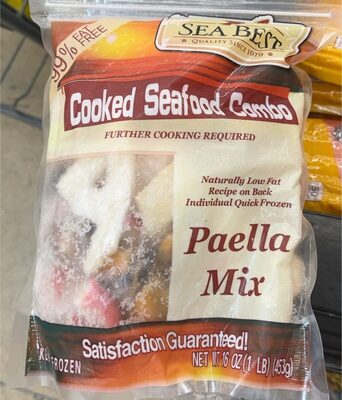 Beaver Street Fisheries Inc.
Ckd Seafood Combo
High in cholesterol — 59% DV per serving
95kcal
18.4Protein
1.8Fat
0.9Carbs
BEAVER STREET FISHERIES, INC.
8/10 Octopus
80kcal
15.2Protein
0.9Fat
2.7Carbs
Beaver Street Fisheries Inc.
16/25 Ct Baby Octopus
62kcal
11.6Protein
0.9Fat
1.8Carbs
BEAVER STREET FISHERIES, INC.
1/2 Ipw Cleaned Octopus
High in cholesterol — 87% DV per serving
97kcal
15.0Protein
1.8Fat
2.6Carbs
BEAVER STREET FISHERIES, INC.
6-8 Ipw Cleaned Octopus
80kcal
15.2Protein
0.9Fat
2.7Carbs
Beaver Street Fisheries Inc.
Ckd Cut Baby Octopus
High in cholesterol — 27% DV per serving
167kcal
29.8Protein
2.4Fat
3.6Carbs
Beaver Street Fisheries Inc.
.5-1 Lb Ipw Clean Octopus
80kcal
15.2Protein
0.9Fat
2.7Carbs
Beaver Street Fisheries Inc.
2-4 Ipw Cleaned Octopus
80kcal
15.2Protein
0.9Fat
2.7Carbs
Beaver Street Fisheries Inc.
1-2 Ipw Cleaned Octopus
80kcal
15.2Protein
0.9Fat
2.7Carbs
Beaver Street Fisheries Inc.
Ckd Seafood Combo
High in cholesterol — 59% DV per serving
95kcal
18.4Protein
1.8Fat
0.9Carbs
BEAVER STREET FISHERIES, INC.
8/10 Octopus
80kcal
15.2Protein
0.9Fat
2.7Carbs
Beaver Street Fisheries Inc.
16/25 Ct Baby Octopus
62kcal
11.6Protein
0.9Fat
1.8Carbs
BEAVER STREET FISHERIES, INC.
1/2 Ipw Cleaned Octopus
High in cholesterol — 87% DV per serving
97kcal
15.0Protein
1.8Fat
2.6Carbs
BEAVER STREET FISHERIES, INC.
6-8 Ipw Cleaned Octopus
80kcal
15.2Protein
0.9Fat
2.7Carbs
Beaver Street Fisheries Inc.
Ckd Cut Baby Octopus
High in cholesterol — 27% DV per serving
167kcal
29.8Protein
2.4Fat
3.6Carbs
Beaver Street Fisheries Inc.
.5-1 Lb Ipw Clean Octopus
80kcal
15.2Protein
0.9Fat
2.7Carbs
Beaver Street Fisheries Inc.
2-4 Ipw Cleaned Octopus
80kcal
15.2Protein
0.9Fat
2.7Carbs
Beaver Street Fisheries Inc.
1-2 Ipw Cleaned Octopus
80kcal
15.2Protein
0.9Fat
2.7Carbs