Oleoresins
What is Oleoresins?
Oleoresins are concentrated extracts from plants, containing both the volatile flavor compounds and non-volatile resinous compounds. They are typically produced by solvent extraction, where a solvent is used to pull out the desired compounds from the plant material, followed by evaporation of the solvent.
Is Oleoresins vegan?
Oleoresins is not animal-derived. Products that contain it can still include other animal-derived ingredients, so check the full ingredient list.
Is Oleoresins gluten-free?
They do not contain gluten.
Is Oleoresins a major allergen?
Oleoresins are not derived from any of the 9 FDA major allergens.
What is Oleoresins used for?
Manufacturers use oleoresins to impart natural flavors and colors to foods.
Is Oleoresins safe?
Oleoresins are generally recognized as safe (GRAS) by the FDA for use as flavoring agents.
Why it's used
Manufacturers use oleoresins to impart natural flavors and colors to foods. They are found in a wide variety of products, including baked goods, snacks, sauces, and processed meats, providing concentrated taste profiles.
Health notes
Oleoresins are generally recognized as safe (GRAS) by the FDA for use as flavoring agents. International bodies like JECFA have evaluated oleoresins, and EFSA also assesses food additives. At typical consumption levels, they are not associated with adverse health effects. Evidence regarding specific health impacts is generally limited to their intended use as flavorings.
Allergen info
Oleoresins are not derived from any of the 9 FDA major allergens. They do not contain gluten.
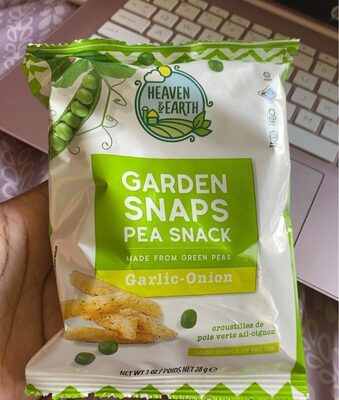
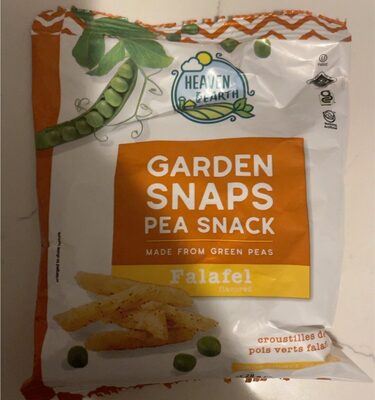
Foods that contain Oleoresins
Compare products →


Learn more
Auto-generated content. This description was generated automatically and is pending editorial review. Inaccuracies are possible. Found a mistake? Contact us.