Organic Aged Cheese
What is Organic Aged Cheese?
Organic aged cheese is a dairy product made from organic milk that has been curdled, pressed, and then allowed to mature over time. The aging process develops its distinct flavor and texture, which can range from mild to sharp and crumbly to firm.
Is Organic Aged Cheese vegan?
No. Organic Aged Cheese is animal-derived, so it is not vegan.
Is Organic Aged Cheese a major allergen?
This ingredient is derived from milk, which is one of the nine major food allergens identified by the FDA.
What is Organic Aged Cheese used for?
Manufacturers add organic aged cheese primarily for its rich flavor, creamy or firm texture, and as a source of dairy.
Is Organic Aged Cheese safe?
As a food ingredient, cheese is generally recognized as safe (GRAS) by the FDA.
Why it's used
Manufacturers add organic aged cheese primarily for its rich flavor, creamy or firm texture, and as a source of dairy. It is commonly found in prepared meals like pizzas, pasta dishes, and various baked goods.
Health notes
As a food ingredient, cheese is generally recognized as safe (GRAS) by the FDA. It is a good source of calcium and protein. However, aged cheeses can be high in saturated fat and sodium, and the Dietary Guidelines for Americans (2025-2030) advise limiting saturated fat to less than 10% of daily calories, and the FDA Daily Value for sodium is 2,300 mg. JECFA and EFSA do not typically evaluate whole foods like cheese as food additives.
Allergen info
This ingredient is derived from milk, which is one of the nine major food allergens identified by the FDA.
Foods that contain Organic Aged Cheese
Compare products →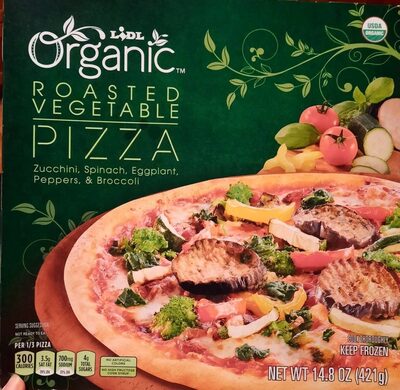 LIDL
Roasted Vegetable Zucchini, Spinach, Eggplant, Peppers, & Broccoli Pizza, Roasted Vegetable
High in sodium — 30% DV per serving
214kcal
8.6Protein
7.9Fat
26.4Carbs
LIDL
Roasted Vegetable Zucchini, Spinach, Eggplant, Peppers, & Broccoli Pizza, Roasted Vegetable
High in sodium — 30% DV per serving
214kcal
8.6Protein
7.9Fat
26.4Carbs
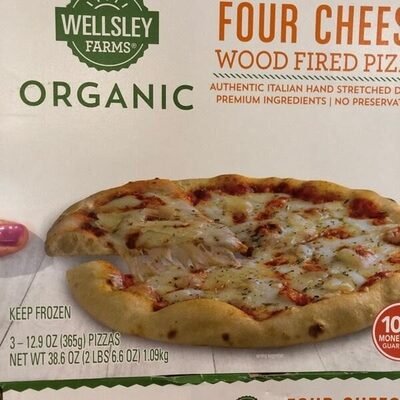 BJ's Wholesale Club / Corporate Brands
Four Cheese Organic Wood Fired Pizza, Four Cheese
High in saturated fat — 30% DV per serving
230kcal
10.7Protein
9.8Fat
27.9Carbs
Finlay Extracts & Ingredients USA, Inc.
Baby Spinach Topped With Organic Mozzarella, Aged Cheese, Baby Spinach And Cherry Tomatoes Organic Authentic Italian Thin Crust Pizza, Baby Spinach
High in sodium — 32% DV per serving
High in saturated fat — 30% DV per serving
204kcal
9.7Protein
6.5Fat
25.3Carbs
Target Stores
Three Cheese Pizza With Organic Emmentaler, Mozzarella & Aged Cheeses On A Wood-Fired, Hand Stretched Crust, Three Cheese
High in saturated fat — 35% DV per serving
228kcal
10.2Protein
8.7Fat
29.9Carbs
BJ's Wholesale Club / Corporate Brands
Four Cheese Organic Wood Fired Pizza, Four Cheese
High in saturated fat — 30% DV per serving
230kcal
10.7Protein
9.8Fat
27.9Carbs
Finlay Extracts & Ingredients USA, Inc.
Baby Spinach Topped With Organic Mozzarella, Aged Cheese, Baby Spinach And Cherry Tomatoes Organic Authentic Italian Thin Crust Pizza, Baby Spinach
High in sodium — 32% DV per serving
High in saturated fat — 30% DV per serving
204kcal
9.7Protein
6.5Fat
25.3Carbs
Target Stores
Three Cheese Pizza With Organic Emmentaler, Mozzarella & Aged Cheeses On A Wood-Fired, Hand Stretched Crust, Three Cheese
High in saturated fat — 35% DV per serving
228kcal
10.2Protein
8.7Fat
29.9Carbs
Learn more
Auto-generated content. This description was generated automatically and is pending editorial review. Inaccuracies are possible. Found a mistake? Contact us.