Organic Chia Seed Protein
Auto-generated content. This description was generated automatically and is pending editorial review. Inaccuracies are possible. Found a mistake? Contact us.
What it is
Organic chia seed protein is derived from chia seeds, which are small seeds from the Salvia hispanica plant, native to Mexico and Guatemala. The protein is typically extracted from the seeds after their oil has been removed, often through mechanical pressing or solvent extraction, and then processed into a powder.
Why it's used
Manufacturers add chia seed protein to foods for its nutritional content, particularly its protein and fiber. It is commonly found in plant-based protein powders, meal replacement shakes, energy bars, and other health-focused food products where a plant-based protein source is desired.
Health notes
Chia seed protein is generally recognized as safe (GRAS) by the FDA for use in food. It is a source of complete protein, meaning it contains all nine essential amino acids. The World Health Organization (WHO) and the European Food Safety Authority (EFSA) have not specifically evaluated chia seed protein in isolation, but chia seeds themselves are recognized as a nutritious food. Evidence suggests that chia seeds, and by extension their protein, can contribute to satiety and may have benefits for digestive health due to their fiber content.
Allergen info
Chia seeds are not one of the nine major allergens identified by the FDA. They are also naturally gluten-free.
Products containing Organic Chia Seed Protein
Compare products →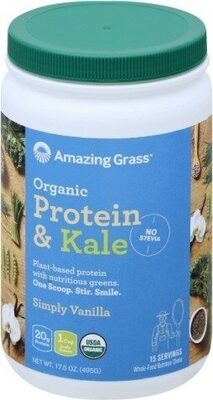 Grass Advantage
Simply Vanilla Organic Protein & Kale Whole Food Nutrition Shake, Simply Vanilla
394kcal
60.6Protein
7.6Fat
24.2Carbs
Grass Advantage
Simply Vanilla Organic Protein & Kale Whole Food Nutrition Shake, Simply Vanilla
394kcal
60.6Protein
7.6Fat
24.2Carbs