Organic Cultured Grade A Reduced Fat Milk
What is Organic Cultured Grade A Reduced Fat Milk?
This is milk from cows that has been pasteurized and had some fat removed. It is then treated with live cultures of bacteria, which ferment the milk's lactose into lactic acid, giving it a tangy flavor and thicker texture. The 'Grade A' designation means it meets specific quality standards set by the USDA.
Is Organic Cultured Grade A Reduced Fat Milk vegan?
No. Organic Cultured Grade A Reduced Fat Milk is animal-derived, so it is not vegan.
Is Organic Cultured Grade A Reduced Fat Milk a major allergen?
Milk is one of the nine major allergens identified by the FDA.
What is Organic Cultured Grade A Reduced Fat Milk used for?
The culturing process is essential for making yogurt and kefir.
Is Organic Cultured Grade A Reduced Fat Milk safe?
Milk and milk products are a source of calcium, vitamin D, and protein.
Why it's used
The culturing process is essential for making yogurt and kefir. It's also used in some cheeses and sour cream to achieve a desirable tangy flavor and creamy consistency. Manufacturers use it as a base for dairy-based products.
Health notes
Milk and milk products are a source of calcium, vitamin D, and protein. The FDA considers milk a major food allergen. Regulatory bodies like the WHO/FAO Joint Expert Committee on Food Additives (JECFA) have evaluated lactic acid-producing bacteria and their metabolic products, generally recognizing them as safe for consumption. No specific health concerns are associated with the typical consumption of cultured milk products.
Allergen info
Milk is one of the nine major allergens identified by the FDA. This ingredient is derived directly from milk.
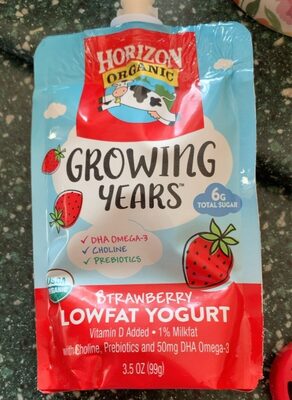
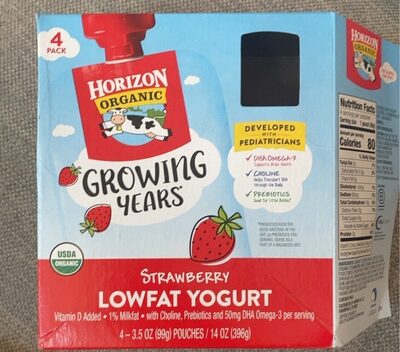
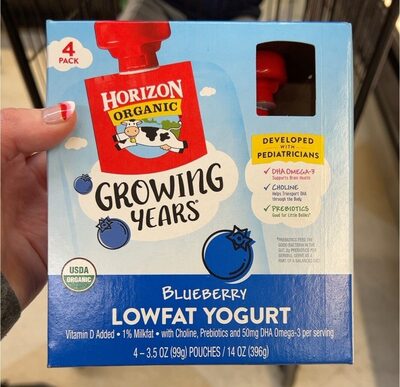
Foods that contain Organic Cultured Grade A Reduced Fat Milk
Compare products →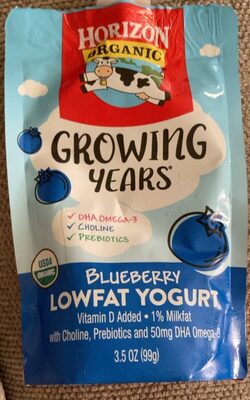
Learn more
Auto-generated content. This description was generated automatically and is pending editorial review. Inaccuracies are possible. Found a mistake? Contact us.