Organic Cultured Part-skim Milk
What is Organic Cultured Part-skim Milk?
This ingredient is milk from cows or other animals that has been cultured with beneficial bacteria, often to create a tangy flavor and thicker texture. The 'part-skim' indicates that some of the fat has been removed. It is commonly used in dairy products and as a base for sauces and cheeses.
Is Organic Cultured Part-skim Milk vegan?
No. Organic Cultured Part-skim Milk is animal-derived, so it is not vegan.
Is Organic Cultured Part-skim Milk a major allergen?
Milk is one of the nine major allergens identified by the FDA.
What is Organic Cultured Part-skim Milk used for?
Manufacturers use cultured milk to add a distinct tangy flavor and creamy texture to foods.
Is Organic Cultured Part-skim Milk safe?
Organic cultured part-skim milk is generally recognized as safe (GRAS) by the FDA for use in food.
Why it's used
Manufacturers use cultured milk to add a distinct tangy flavor and creamy texture to foods. It acts as a base for cheeses, yogurts, and sour cream, and is also found in pasta sauces, dips, and baked goods.
Health notes
Organic cultured part-skim milk is generally recognized as safe (GRAS) by the FDA for use in food. It is a source of protein and calcium. International bodies like JECFA have evaluated similar dairy components. Evidence does not suggest adverse health effects from consuming typical amounts of cultured milk.
Allergen info
Milk is one of the nine major allergens identified by the FDA. This ingredient is derived from milk.
Foods that contain Organic Cultured Part-skim Milk
Compare products →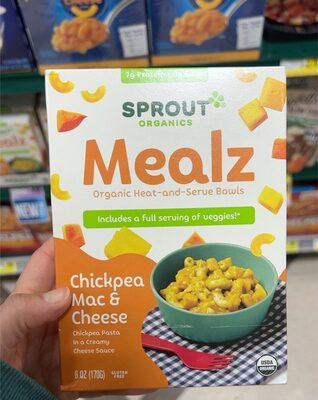
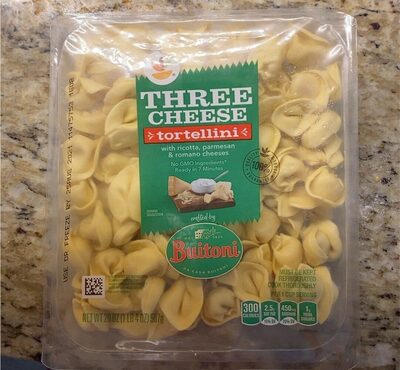
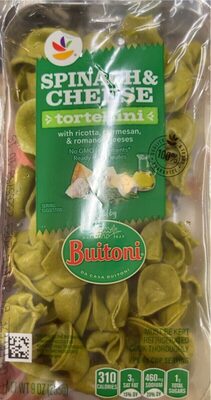
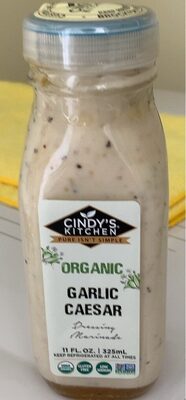
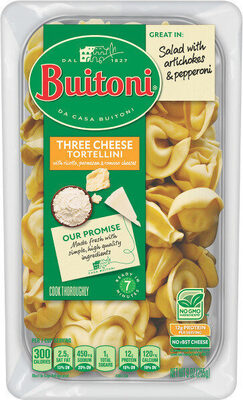
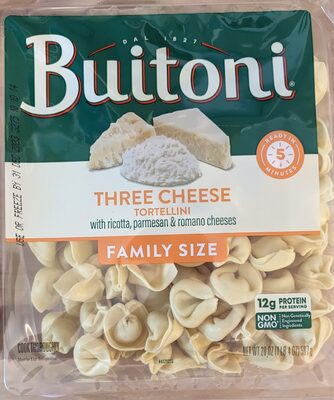
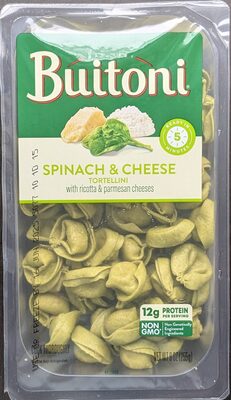
Learn more
Auto-generated content. This description was generated automatically and is pending editorial review. Inaccuracies are possible. Found a mistake? Contact us.