Organic Flours
What is Organic Flours?
Organic flours are made from grains, such as wheat, oats, or rice, that have been grown without synthetic pesticides, herbicides, or fertilizers. The grains are milled into a fine powder. The specific type of flour depends on the grain used and the milling process.
Is Organic Flours vegan?
Organic Flours is not animal-derived. Products that contain it can still include other animal-derived ingredients, so check the full ingredient list.
Is Organic Flours gluten-free?
Wheat flour also contains gluten.
Is Organic Flours a major allergen?
Wheat flour is derived from wheat, which is one of the 9 FDA major allergens.
What is Organic Flours used for?
Flours are a fundamental ingredient in baking, providing structure and texture to a wide variety of foods.
Is Organic Flours safe?
Organic flours are generally recognized as safe (GRAS) by the FDA when used as intended.
Why it's used
Flours are a fundamental ingredient in baking, providing structure and texture to a wide variety of foods. They are used in breads, cakes, cookies, pastries, and as a thickener in sauces and gravies. Organic flours are chosen by manufacturers who want to offer products made with organically grown ingredients.
Health notes
Organic flours are generally recognized as safe (GRAS) by the FDA when used as intended. They provide carbohydrates and some nutrients. The main difference from conventional flours is the absence of synthetic agricultural chemicals. Regulatory bodies like JECFA and EFSA have evaluated various flours and their components.
Allergen info
Wheat flour is derived from wheat, which is one of the 9 FDA major allergens. Wheat flour also contains gluten. Other organic flours like oat, rice, or almond flour may have different allergen profiles.
Foods that contain Organic Flours
Compare products →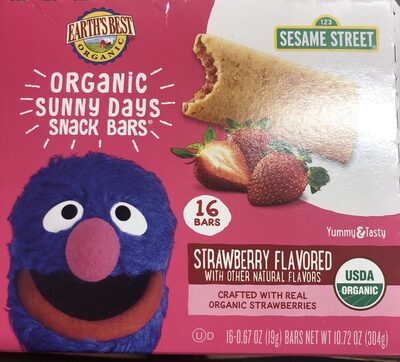
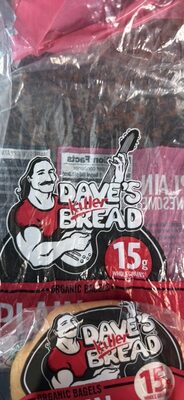
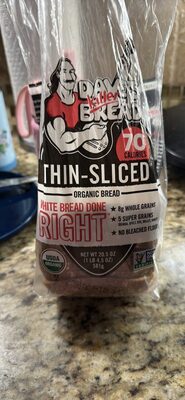
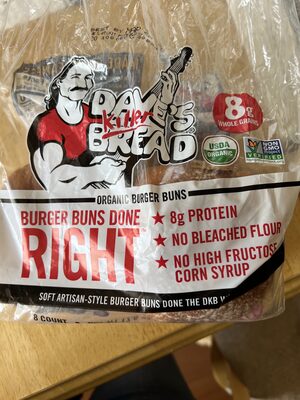
Learn more
Auto-generated content. This description was generated automatically and is pending editorial review. Inaccuracies are possible. Found a mistake? Contact us.