Organic Kamut Flour
Auto-generated content. This description was generated automatically and is pending editorial review. Inaccuracies are possible. Found a mistake? Contact us.
What it is
Organic Kamut flour is made from a variety of wheat that is ancient and has a distinct, rich flavor. It is a whole grain flour, meaning it contains the bran, germ, and endosperm of the wheat kernel. Kamut is grown organically, without the use of synthetic pesticides or fertilizers.
Why it's used
Manufacturers use Kamut flour as a substitute for traditional wheat flour in baked goods like breads, muffins, and cookies. Its slightly sweet, nutty flavor and chewy texture can add unique characteristics to products. It is often found in products marketed as 'ancient grain' or 'heritage wheat'.
Health notes
Kamut flour is generally recognized as safe (GRAS) by the FDA for use in food. As a whole grain, it provides fiber, protein, and various vitamins and minerals. International bodies like JECFA and EFSA have evaluated wheat and its derivatives. Evidence does not suggest adverse health effects from consuming whole grains like Kamut at typical dietary levels.
Allergen info
Kamut is a type of wheat, and therefore contains gluten. Wheat is one of the 9 major allergens recognized by the FDA.
Products containing Organic Kamut Flour
Compare products →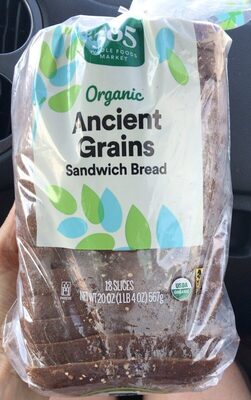 Whole Foods Market, Inc.
Ancient Grains Sandwich Bread, Ancient Grains
219kcal
12.5Protein
3.1Fat
37.5Carbs
Whole Foods Market, Inc.
Multigrain Tortillas, Multigrain
289kcal
8.9Protein
7.8Fat
46.7Carbs
The Hain Celestial Group, Inc.
Organic 7 Grain With Flax Bread, 7 Grain With Flax
225kcal
7.5Protein
3.8Fat
42.5Carbs
Whole Foods Market, Inc.
Ancient Grains Sandwich Bread, Ancient Grains
219kcal
12.5Protein
3.1Fat
37.5Carbs
Whole Foods Market, Inc.
Multigrain Tortillas, Multigrain
289kcal
8.9Protein
7.8Fat
46.7Carbs
The Hain Celestial Group, Inc.
Organic 7 Grain With Flax Bread, 7 Grain With Flax
225kcal
7.5Protein
3.8Fat
42.5Carbs