Organic Maltodextrin
Auto-generated content. This description was generated automatically and is pending editorial review. Inaccuracies are possible. Found a mistake? Contact us.
What it is
Maltodextrin is a polysaccharide made from starch, typically from corn, rice, or potato. It is produced through a process called partial hydrolysis, where starch is broken down into smaller chains. It appears as a white powder and is easily digestible.
Why it's used
Manufacturers use maltodextrin as a thickener, a bulking agent, or a flavor enhancer. It can also be used to extend shelf life or as a carrier for sweeteners and flavors. It is commonly found in processed foods like snacks, baked goods, sauces, and instant drink mixes.
Health notes
Maltodextrin is generally recognized as safe (GRAS) by the FDA. It is a carbohydrate that can raise blood sugar levels, though typically not as quickly as pure sugar. The Joint FAO/WHO Expert Committee on Food Additives (JECFA) has evaluated maltodextrin and established an acceptable daily intake. Some research suggests it may affect gut bacteria, but more study is needed.
Allergen info
Maltodextrin is not derived from any of the nine major allergens. It is typically derived from corn, which is not a major allergen. It does not contain gluten unless specifically derived from wheat and not processed to remove gluten.
Products containing Organic Maltodextrin
Compare products →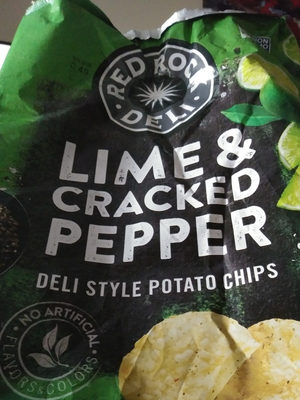 RED ROCK DELI CO, LLC
Lime & Cracked Pepper Flavored Potato Chips, Lime & Cracked Pepper
500kcal
7.1Protein
21.4Fat
64.3Carbs
HIP CHICK FARMS
Organic Ketchup Chicken Fingers Breaded Chicken Breast
High in sodium — 21% DV per serving
High in cholesterol — 22% DV per serving
224kcal
21.2Protein
9.4Fat
14.1Carbs
RED ROCK DELI CO, LLC
Lime & Cracked Pepper Flavored Potato Chips, Lime & Cracked Pepper
500kcal
7.1Protein
21.4Fat
64.3Carbs
HIP CHICK FARMS
Organic Ketchup Chicken Fingers Breaded Chicken Breast
High in sodium — 21% DV per serving
High in cholesterol — 22% DV per serving
224kcal
21.2Protein
9.4Fat
14.1Carbs