Organic Miso
Auto-generated content. This description was generated automatically and is pending editorial review. Inaccuracies are possible. Found a mistake? Contact us.
What it is
Organic miso is a traditional Japanese seasoning made from fermented soybeans, often with rice, barley, or other grains. The fermentation process, typically using a mold called koji, gives miso its characteristic salty, umami flavor and paste-like texture.
Why it's used
Manufacturers use organic miso primarily as a flavor enhancer, adding a rich, savory depth to foods. It is frequently found in salad dressings, sauces, soups, marinades, and even some baked goods, contributing a complex, fermented taste.
Health notes
Miso is generally recognized as safe (GRAS) by the FDA for use in food. It is a source of probiotics, which may support gut health, and contains various vitamins and minerals. The World Health Organization (WHO) and the International Agency for Research on Cancer (IARC) have not classified miso itself. Some studies suggest potential benefits from fermented foods, while others note the high sodium content in miso, which can be a concern for individuals monitoring blood pressure.
Allergen info
Miso is derived from soybeans, which is one of the nine FDA major allergens. Depending on the specific ingredients, it may also contain wheat or barley, which contain gluten.
Products containing Organic Miso
Compare products →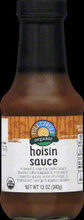 Topco Associates, Inc.
Hoisin Sweet And Sour Soy Based Sauce With Miso Paste, A Hint Of Vinegar, Orange And Toasted Sesame Oil, Hoisin
100kcal
3.3Protein
0Fat
20Carbs
Crunch Time Foods LLC
Curry Miso Matcha
429kcal
14.3Protein
32.1Fat
28.6Carbs
Wegmans Food Markets, Inc.
Organic Miso Ginger Vinaigrette, Miso Gingner
233kcal
3.3Protein
23.3Fat
10Carbs
Harris-Teeter Inc.
Miso Ginger Dressing, Miso Ginger
167kcal
0Protein
13.3Fat
16.7Carbs
Pure Steeps Beverage, LLC
Raw Fermented Tea
4kcal
0Protein
0Fat
0.6Carbs
Topco Associates, Inc.
Hoisin Sweet And Sour Soy Based Sauce With Miso Paste, A Hint Of Vinegar, Orange And Toasted Sesame Oil, Hoisin
100kcal
3.3Protein
0Fat
20Carbs
Crunch Time Foods LLC
Curry Miso Matcha
429kcal
14.3Protein
32.1Fat
28.6Carbs
Wegmans Food Markets, Inc.
Organic Miso Ginger Vinaigrette, Miso Gingner
233kcal
3.3Protein
23.3Fat
10Carbs
Harris-Teeter Inc.
Miso Ginger Dressing, Miso Ginger
167kcal
0Protein
13.3Fat
16.7Carbs
Pure Steeps Beverage, LLC
Raw Fermented Tea
4kcal
0Protein
0Fat
0.6Carbs
 Red Duck Foods Inc.
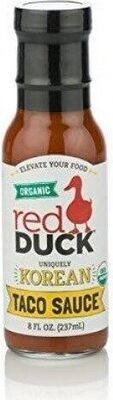
Korean Taco Sauce, Korean
100kcal
0Protein
0Fat
20Carbs
Whole Foods Market, Inc.
Whole Foods Market, General Iso's Sauce
100kcal
0Protein
0Fat
26.7Carbs
Edward & Sons Trading Co., Inc
Miso-Cup, Natural Instant Soup
High in sodium — 42% DV per serving
194kcal
7.8Protein
3.9Fat
27.1Carbs
Whole Foods Market, Inc.
Whole Foods Market, Korean BBQ Sauce
133kcal
3.3Protein
1.7Fat
33.3Carbs
Sky Valley Foods Inc.
Dijon Vinaigrette
267kcal
0Protein
26.7Fat
6.7Carbs
Target Stores
Mushroom Miso Meatless Turkey
153kcal
15.3Protein
4.7Fat
11.8Carbs
Red Duck Foods Inc.
Korean Taco Sauce, Korean
100kcal
0Protein
0Fat
20Carbs
Whole Foods Market, Inc.
Whole Foods Market, General Iso's Sauce
100kcal
0Protein
0Fat
26.7Carbs
Edward & Sons Trading Co., Inc
Miso-Cup, Natural Instant Soup
High in sodium — 42% DV per serving
194kcal
7.8Protein
3.9Fat
27.1Carbs
Whole Foods Market, Inc.
Whole Foods Market, Korean BBQ Sauce
133kcal
3.3Protein
1.7Fat
33.3Carbs
Sky Valley Foods Inc.
Dijon Vinaigrette
267kcal
0Protein
26.7Fat
6.7Carbs
Target Stores
Mushroom Miso Meatless Turkey
153kcal
15.3Protein
4.7Fat
11.8Carbs