Organic Oil
Auto-generated content. This description was generated automatically and is pending editorial review. Inaccuracies are possible. Found a mistake? Contact us.
What it is
Organic oil is a general term for oil produced from crops grown without synthetic pesticides or fertilizers, following organic farming standards. These oils can come from various sources like seeds (sunflower, canola), fruits (olive, avocado), or nuts (coconut). The extraction process typically involves pressing or solvent extraction, followed by refining or purification.
Why it's used
Manufacturers use organic oils as a cooking medium, for their flavor, and to improve texture in a wide range of foods. They are commonly found in baked goods, salad dressings, snacks like chips and crackers, and processed meals. The 'organic' label appeals to consumers seeking products perceived as more natural or environmentally friendly.
Health notes
In the US, oils are generally recognized as safe (GRAS) by the FDA when used for their intended purpose. Organic oils are not typically associated with specific health concerns at normal consumption levels. International bodies like JECFA have evaluated many common food oils. Evidence does not suggest significant health differences between organic and conventionally produced oils.
Allergen info
Depending on the source, organic oils can be derived from major allergens. For example, organic soybean oil is derived from soy, and organic peanut oil from peanuts. Oils derived from tree nuts or seeds like sunflower are also possible. Always check the product label for specific allergen information.
Products containing Organic Oil
Compare products →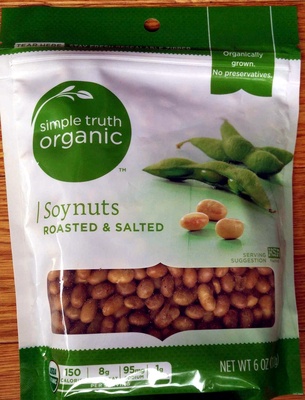 The Kroger Co.
Simple Truth Organic, Roasted & Salted Soynuts
500kcal
36.7Protein
26.7Fat
30Carbs
The Kroger Co.
Simple Truth Organic, Organic Sweet Potato - Corn Tortilla
536kcal
7.1Protein
28.6Fat
64.3Carbs
The Kroger Co.
Organic Tortilla Chips
500kcal
7.1Protein
21.4Fat
64.3Carbs
Gimme Health Foods, Inc.
Organic Seaweed Chips With Brown Rice, Sesame Teriyaki
464kcal
7.1Protein
25Fat
57.1Carbs
Gimme Health Foods, Inc.
Organic Seaweed Chips With Brown Rice, Sea Salt
464kcal
7.1Protein
25Fat
57.1Carbs
The Kroger Co.
Simple Truth Organic, Roasted & Salted Soynuts
500kcal
36.7Protein
26.7Fat
30Carbs
The Kroger Co.
Simple Truth Organic, Organic Sweet Potato - Corn Tortilla
536kcal
7.1Protein
28.6Fat
64.3Carbs
The Kroger Co.
Organic Tortilla Chips
500kcal
7.1Protein
21.4Fat
64.3Carbs
Gimme Health Foods, Inc.
Organic Seaweed Chips With Brown Rice, Sesame Teriyaki
464kcal
7.1Protein
25Fat
57.1Carbs
Gimme Health Foods, Inc.
Organic Seaweed Chips With Brown Rice, Sea Salt
464kcal
7.1Protein
25Fat
57.1Carbs