Organic Oolong Tea
Auto-generated content. This description was generated automatically and is pending editorial review. Inaccuracies are possible. Found a mistake? Contact us.
What it is
Oolong tea is a traditional Chinese tea made from the leaves of the Camellia sinensis plant. It is partially oxidized, placing it between green tea (unoxidized) and black tea (fully oxidized). The oxidation process gives oolong its unique flavor profile, which can range from floral and light to rich and toasty.
Why it's used
Oolong tea is primarily used as a beverage, either hot or iced. Manufacturers may add it to other drinks, such as kombucha or bottled teas, for its distinct flavor and potential health benefits. It is also found in some herbal supplements.
Health notes
Oolong tea is generally recognized as safe (GRAS) by the FDA when used as a food ingredient. It contains antioxidants, such as polyphenols, which may offer some health benefits. The World Health Organization (WHO) and the European Food Safety Authority (EFSA) have evaluated tea and its components, but specific evaluations for oolong tea's health effects at typical consumption levels are ongoing. Research suggests potential benefits for heart health and metabolism, but more studies are needed.
Allergen info
Not a major allergen. Oolong tea is derived from the Camellia sinensis plant and does not contain gluten.
Products containing Organic Oolong Tea
Compare products →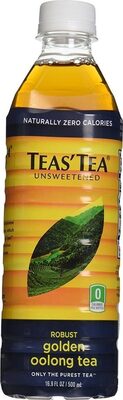 ITO EN (North America) Inc.
Organic Unsweetened Robust Golden Oolong Tea
0kcal
0Protein
0Fat
0Carbs
Glencourt Inc.
O Organics, Organic Raw Kombucha Fermented Tea, Mango Mint, Mango Mint
21kcal
0Protein
0Fat
5.1Carbs
Prospectors LLC
Kombucha Lavender Hibiscus, Lavender Hibiscus
High in added sugars — 32% DV per serving
22kcal
0Protein
0Fat
4.1Carbs
ITO EN (North America) Inc.
Organic Unsweetened Robust Golden Oolong Tea
0kcal
0Protein
0Fat
0Carbs
Glencourt Inc.
O Organics, Organic Raw Kombucha Fermented Tea, Mango Mint, Mango Mint
21kcal
0Protein
0Fat
5.1Carbs
Prospectors LLC
Kombucha Lavender Hibiscus, Lavender Hibiscus
High in added sugars — 32% DV per serving
22kcal
0Protein
0Fat
4.1Carbs
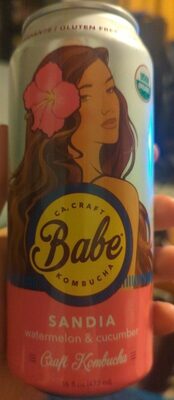 Fellowship Kombucha LLC
Sandia Watermelon & Cucumber Kombucha Craft Kombucha, Sandia
14kcal
0Protein
0Fat
3.0Carbs
Starbucks Coffee Company
Organic Golden Amber Oolong Tea
12kcal
0Protein
0Fat
3.2Carbs
Fellowship Kombucha LLC
Sandia Watermelon & Cucumber Kombucha Craft Kombucha, Sandia
14kcal
0Protein
0Fat
3.0Carbs
Starbucks Coffee Company
Organic Golden Amber Oolong Tea
12kcal
0Protein
0Fat
3.2Carbs
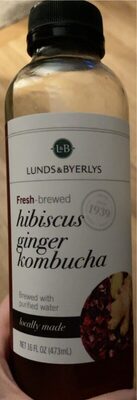 Lunds Inc
Hibiscus Ginger Kombucha, Hibiscus Ginger
15kcal
0Protein
0Fat
4.0Carbs
Cusa Tea LLC
Premium Instant Variety Tea Pack, Peach Green, Mango Green, Chai, Green, English Breakfast, Oolong, Lemon Black
0kcal
0Protein
0Fat
0Carbs
Glencourt Inc.
Peach Flavor Organic Black & Oolong Tea Blend, Peach
High in added sugars — 48% DV per serving
28kcal
0Protein
0Fat
7.0Carbs
Lunds Inc
Hibiscus Ginger Kombucha, Hibiscus Ginger
15kcal
0Protein
0Fat
4.0Carbs
Cusa Tea LLC
Premium Instant Variety Tea Pack, Peach Green, Mango Green, Chai, Green, English Breakfast, Oolong, Lemon Black
0kcal
0Protein
0Fat
0Carbs
Glencourt Inc.
Peach Flavor Organic Black & Oolong Tea Blend, Peach
High in added sugars — 48% DV per serving
28kcal
0Protein
0Fat
7.0Carbs
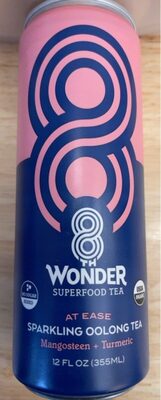 Berezka Brew LLC
Mangosteen + Turmeric Sparkling Oolong Tea, Mangosteen + Turmeric
17kcal
0Protein
0Fat
3.7Carbs
Buddha Teas
Oolong Organic Tea Bags, Oolong
0kcal
0Protein
0Fat
0Carbs
Reed's, Inc.
Culture Club Kombucha, Goji Ginger
21kcal
0Protein
0Fat
5Carbs
Berezka Brew LLC
Mangosteen + Turmeric Sparkling Oolong Tea, Mangosteen + Turmeric
17kcal
0Protein
0Fat
3.7Carbs
Buddha Teas
Oolong Organic Tea Bags, Oolong
0kcal
0Protein
0Fat
0Carbs
Reed's, Inc.
Culture Club Kombucha, Goji Ginger
21kcal
0Protein
0Fat
5Carbs