Organic Red Palm Oil
What is Organic Red Palm Oil?
Organic red palm oil is a type of unrefined palm oil that gets its rich red-orange color from beta-carotene and lycopene. It is extracted from the fruit of oil palm trees, which are native to West Africa. The "organic" designation means it was produced without synthetic pesticides or fertilizers.
Is Organic Red Palm Oil vegan?
Organic Red Palm Oil is not animal-derived. Products that contain it can still include other animal-derived ingredients, so check the full ingredient list.
Is Organic Red Palm Oil gluten-free?
It does not contain gluten.
Is Organic Red Palm Oil a major allergen?
Organic red palm oil is not derived from any of the 9 FDA major allergens.
What is Organic Red Palm Oil used for?
Manufacturers use organic red palm oil as a natural coloring agent and a source of healthy fats.
Is Organic Red Palm Oil safe?
Organic red palm oil is generally recognized as safe (GRAS) by the FDA for use in food.
Why it's used
Manufacturers use organic red palm oil as a natural coloring agent and a source of healthy fats. Its distinct color can enhance the visual appeal of foods, and its flavor profile complements various baked goods and snacks. It is often found in cookies, snack bars, and some savory products.
Health notes
Organic red palm oil is generally recognized as safe (GRAS) by the FDA for use in food. It is a source of vitamin E and carotenoids, which are antioxidants. JECFA has evaluated palm oil and its derivatives, and EFSA has also assessed its safety. While generally considered safe, some discussions exist regarding the sustainability of palm oil production, which is separate from its direct health effects.
Allergen info
Organic red palm oil is not derived from any of the 9 FDA major allergens. It does not contain gluten.
Foods that contain Organic Red Palm Oil
Compare products →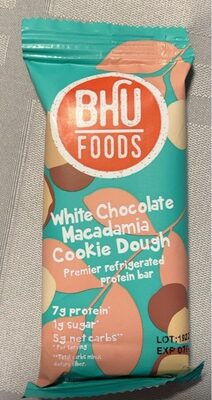
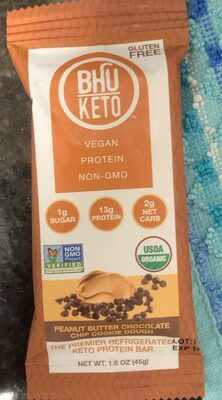
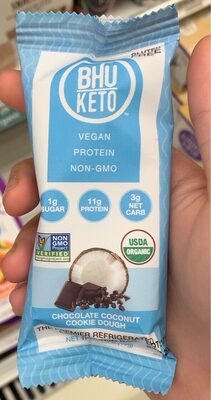
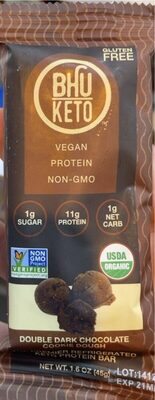
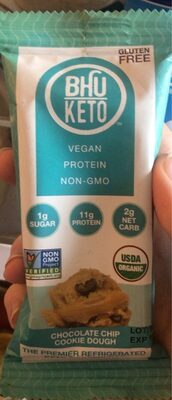
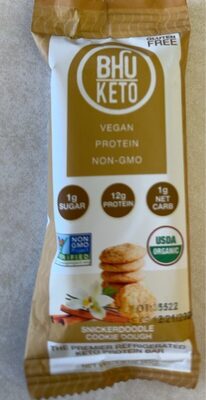


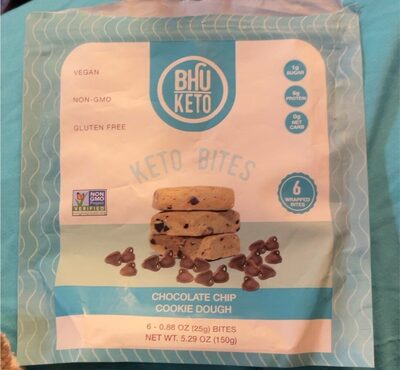
Learn more
Auto-generated content. This description was generated automatically and is pending editorial review. Inaccuracies are possible. Found a mistake? Contact us.