Organic Rice
What is Organic Rice?
Organic rice is a grain grown without the use of synthetic pesticides or fertilizers. It is a staple food for a large portion of the world's population, with many varieties including white, brown, and black rice. Rice is typically milled to remove the husk, bran, and germ (for white rice) or processed minimally (for brown rice).
Is Organic Rice vegan?
Organic Rice is not animal-derived. Products that contain it can still include other animal-derived ingredients, so check the full ingredient list.
Is Organic Rice gluten-free?
It is also naturally gluten-free.
Is Organic Rice a major allergen?
Rice is not one of the nine major allergens recognized by the FDA.
What is Organic Rice used for?
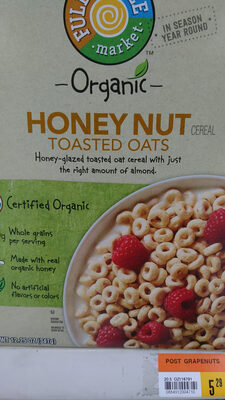
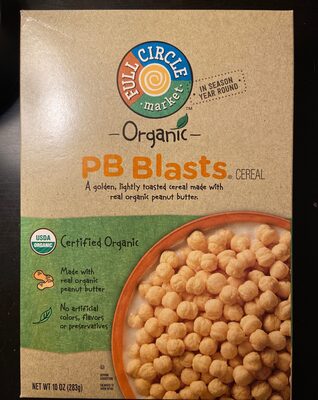
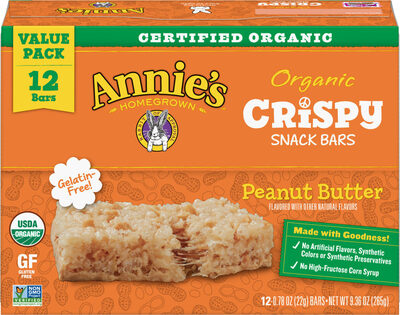
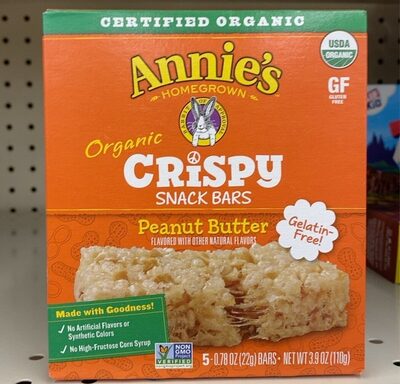
Rice is used as a carbohydrate source in a wide variety of foods, from breakfast cereals and snack bars to main courses like frozen dinners and entrees.
Is Organic Rice safe?
Rice is a good source of carbohydrates and some B vitamins.
Why it's used
Rice is used as a carbohydrate source in a wide variety of foods, from breakfast cereals and snack bars to main courses like frozen dinners and entrees. It can also be processed into rice flour, rice milk, and rice cakes, serving as a base ingredient or a gluten-free alternative.
Health notes
Rice is a good source of carbohydrates and some B vitamins. The FDA considers rice to be Generally Recognized As Safe (GRAS). International bodies like the WHO/FAO's JECFA have evaluated rice and its components. While generally considered safe, concerns have been raised about arsenic levels in rice, which can vary depending on growing conditions and processing.
Allergen info
Rice is not one of the nine major allergens recognized by the FDA. It is also naturally gluten-free.
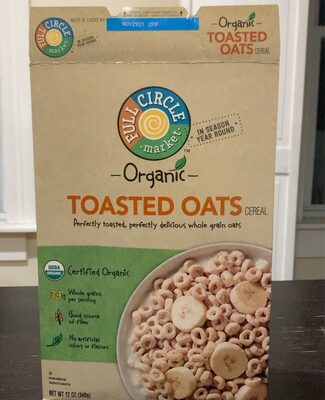
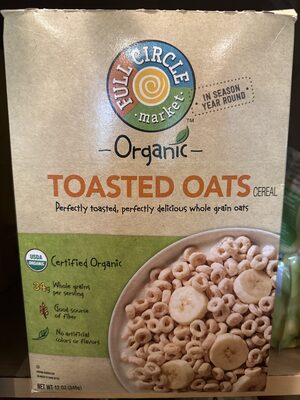
Foods that contain Organic Rice
Compare products →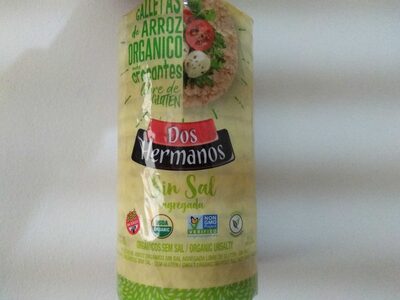


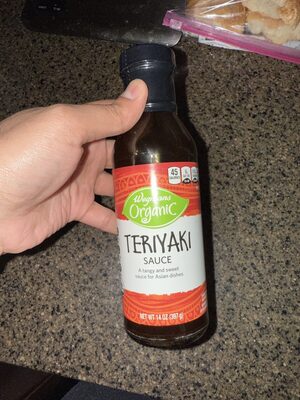 Wegmans
Organic Teriyaki Sauce
High in sodium — 22% DV per serving
118kcal
2.9Protein
0Fat
26.5Carbs
Learn more
Auto-generated content. This description was generated automatically and is pending editorial review. Inaccuracies are possible. Found a mistake? Contact us.