Organic Safflower Seed
What is Organic Safflower Seed?
Organic safflower seed comes from the safflower plant (Carthamus tinctorius). The seeds are harvested from the plant's flower heads. "Organic" means the seeds were grown and processed without synthetic pesticides, fertilizers, or genetically modified organisms.
Is Organic Safflower Seed vegan?
Organic Safflower Seed is not animal-derived. Products that contain it can still include other animal-derived ingredients, so check the full ingredient list.
Is Organic Safflower Seed a major allergen?
Not a major allergen.
What is Organic Safflower Seed used for?
Safflower seeds are often pressed to make safflower oil, but the whole seeds can also be used in foods.
Is Organic Safflower Seed safe?
Safflower seeds are generally recognized as safe (GRAS) for use in food in the United States.
Why it's used
Safflower seeds are often pressed to make safflower oil, but the whole seeds can also be used in foods. In snacks like tortilla chips, they can add texture, a mild, nutty flavor, and nutritional value. They might be included as a whole ingredient or ground into a meal.
Health notes
Safflower seeds are generally recognized as safe (GRAS) for use in food in the United States. They are a source of dietary fiber, protein, and healthy fats. As a whole food ingredient, safflower seed has not been evaluated by JECFA or EFSA as a food additive. There are no notable controversies regarding the safety of safflower seeds at typical intake levels.
Allergen info
Not a major allergen.
Foods that contain Organic Safflower Seed
Compare products →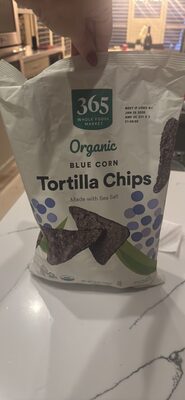
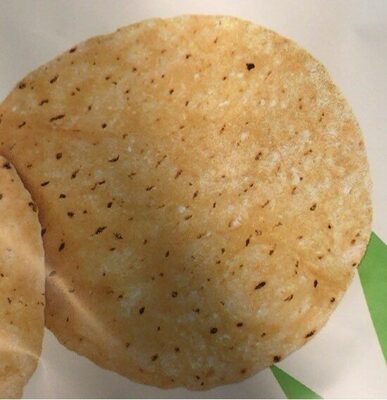
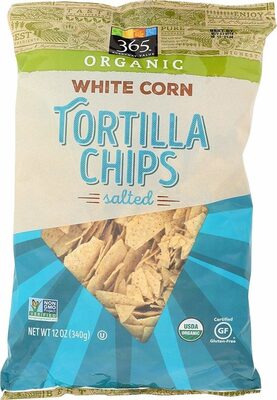
Auto-generated content. This description was generated automatically and is pending editorial review. Inaccuracies are possible. Found a mistake? Contact us.