Organic Soy Lecithin - An Emulsifier
Auto-generated content. This description was generated automatically and is pending editorial review. Inaccuracies are possible. Found a mistake? Contact us.
What it is
Organic soy lecithin is a phospholipid derived from soybeans. It is typically produced by extracting oil from soybeans and then separating the lecithin component from the oil. The lecithin is then often refined and processed into a powder or liquid form.
Why it's used
Manufacturers use organic soy lecithin primarily as an emulsifier, helping to blend oil and water-based ingredients smoothly. It also acts as a stabilizer and can improve texture and shelf life. You can find it in a wide range of foods, including baked goods, chocolate, margarine, and processed snacks.
Health notes
In the U.S., soy lecithin is generally recognized as safe (GRAS) by the FDA when used as intended. It is a common food additive and is not typically associated with adverse health effects at the levels found in food. International bodies like JECFA and EFSA have also evaluated soy lecithin. While generally considered safe, some individuals may have sensitivities or allergies to soy products.
Allergen info
Soy lecithin is derived from soy, which is one of the nine major allergens recognized by the FDA. While highly refined lecithin contains very little soy protein, individuals with severe soy allergies should exercise caution.
Products containing Organic Soy Lecithin - An Emulsifier
Compare products →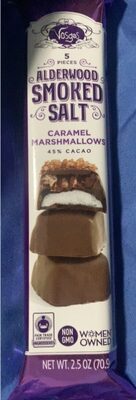 Vosges, Ltd.
Alderwood Smoked Salt 45% Caca Caramel Marshmallows, Alderwood Smoked Salt
High in saturated fat — 30% DV per serving
419kcal
4.7Protein
23.3Fat
51.2Carbs
Associated Wholesale Grocers, Inc.
Harmony Organic Trail Mix, Harmony
500kcal
13.3Protein
33.3Fat
46.7Carbs
Vosges, Ltd.
Alderwood Smoked Salt 45% Caca Caramel Marshmallows, Alderwood Smoked Salt
High in saturated fat — 30% DV per serving
419kcal
4.7Protein
23.3Fat
51.2Carbs
Associated Wholesale Grocers, Inc.
Harmony Organic Trail Mix, Harmony
500kcal
13.3Protein
33.3Fat
46.7Carbs
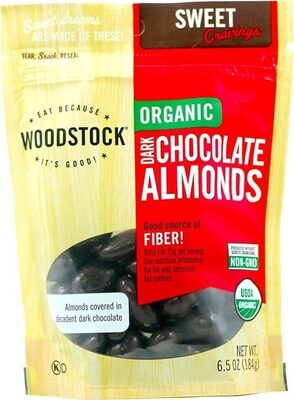 United Natural Foods, Inc.
Dark Chocolate Almonds, Dark Chocolate
High in saturated fat — 25% DV per serving
High in added sugars — 20% DV per serving
500kcal
10Protein
36.7Fat
50Carbs
United Natural Foods, Inc.
Dark Chocolate Almonds, Dark Chocolate
High in saturated fat — 25% DV per serving
High in added sugars — 20% DV per serving
500kcal
10Protein
36.7Fat
50Carbs
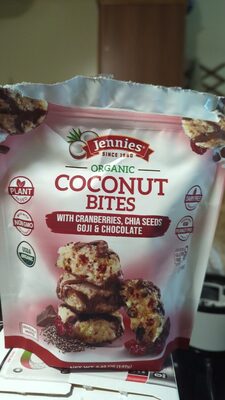 Spike's Baking Co. Inc.
Organic Coconut Bites With Cranberries, Chia Seeds Goji & Chocolate, Cranberries, Chia Seeds Goji & Chocolate
High in saturated fat — 30% DV per serving
476kcal
4.8Protein
28.6Fat
52.4Carbs
Spike's Baking Co. Inc.
Organic Coconut Bites With Cranberries, Chia Seeds Goji & Chocolate, Cranberries, Chia Seeds Goji & Chocolate
High in saturated fat — 30% DV per serving
476kcal
4.8Protein
28.6Fat
52.4Carbs