Organic Sprouted Buckwheat
Auto-generated content. This description was generated automatically and is pending editorial review. Inaccuracies are possible. Found a mistake? Contact us.
What it is
Buckwheat is a pseudocereal, meaning it is not related to wheat but is used similarly in cooking. It is grown for its grain-like seeds. Sprouting involves soaking the seeds in water until they begin to germinate, which can change their nutritional profile and make them easier to digest.
Why it's used
Sprouted buckwheat is used as a whole grain ingredient in foods like granola, cereal, and baked goods. It can add a nutty flavor and a chewy texture. Manufacturers may use it for its nutritional content and perceived health benefits.
Health notes
Buckwheat is generally recognized as safe (GRAS) by the FDA for use in food. It is a source of fiber, protein, and various micronutrients. International bodies like JECFA have evaluated buckwheat and its components. Evidence suggests buckwheat may have a modest impact on blood sugar levels due to its fiber content.
Allergen info
Buckwheat is not one of the FDA's nine major allergens. It is naturally gluten-free, but cross-contamination can occur during processing.
Products containing Organic Sprouted Buckwheat
Compare products →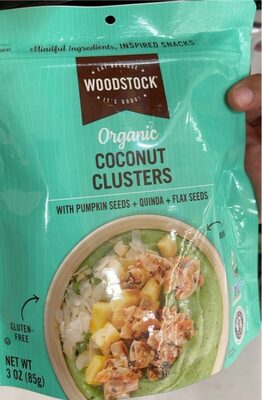 United Natural Foods, Inc.
Coconut Organic Clusters With Pumpkin Seeds + Quinoa + Flax Seeds, Coconut
High in saturated fat — 35% DV per serving
536kcal
10.7Protein
35.7Fat
50Carbs
United Natural Foods, Inc.
Coconut Organic Clusters With Pumpkin Seeds + Quinoa + Flax Seeds, Coconut
High in saturated fat — 35% DV per serving
536kcal
10.7Protein
35.7Fat
50Carbs