Organic Stoneground Corn
What is Organic Stoneground Corn?
Organic stoneground corn is whole corn that has been ground between two millstones, a traditional method that retains more of the grain's natural oils and nutrients. This process results in a coarser texture than commercially milled cornmeal. It is derived from corn, a grain crop widely cultivated in the United States.
Is Organic Stoneground Corn vegan?
Organic Stoneground Corn is not animal-derived. Products that contain it can still include other animal-derived ingredients, so check the full ingredient list.
Is Organic Stoneground Corn gluten-free?
It does not contain gluten.
Is Organic Stoneground Corn a major allergen?
Corn is not one of the nine major allergens recognized by the FDA.
What is Organic Stoneground Corn used for?
Manufacturers use organic stoneground corn as a whole grain ingredient, providing texture and a corn flavor.
Is Organic Stoneground Corn safe?
Organic stoneground corn is generally recognized as safe (GRAS) by the FDA when used as a food ingredient.
Why it's used
Manufacturers use organic stoneground corn as a whole grain ingredient, providing texture and a corn flavor. It is commonly found in baked goods, cereals, and snack foods like tortilla chips and pretzels. Its coarse texture can add a rustic quality to products.
Health notes
Organic stoneground corn is generally recognized as safe (GRAS) by the FDA when used as a food ingredient. It is a source of fiber and nutrients. Regulatory bodies like JECFA and EFSA have evaluated corn and its components. No significant health controversies are associated with its typical consumption as a food ingredient.
Allergen info
Corn is not one of the nine major allergens recognized by the FDA. It does not contain gluten.
Foods that contain Organic Stoneground Corn
Compare products →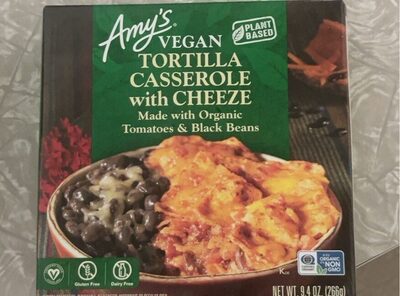 Amy's Kitchen Inc.
Vegan Tortilla Casserole With Cheeze, Vegan Tortilla With Cheeze
High in sodium — 38% DV per serving
High in saturated fat — 22% DV per serving
135kcal
4.5Protein
5.6Fat
18.1Carbs
Amy's Kitchen Inc.
Vegan Tortilla Casserole With Cheeze, Vegan Tortilla With Cheeze
High in sodium — 38% DV per serving
High in saturated fat — 22% DV per serving
135kcal
4.5Protein
5.6Fat
18.1Carbs
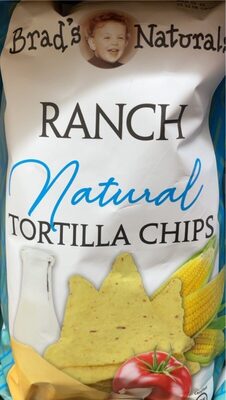 First International Health Foods Ltd.
Ranch Natural Tortilla Chips
500kcal
7.1Protein
25Fat
64.3Carbs
First International Health Foods Ltd.
Ranch Natural Tortilla Chips
500kcal
7.1Protein
25Fat
64.3Carbs
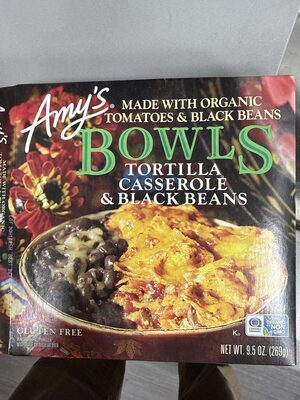 Amy's Kitchen Inc.
Tortilla Casserole & Black Beans Bowls, Tortilla Casserole & Black Beans
High in sodium — 36% DV per serving
High in saturated fat — 25% DV per serving
152kcal
6.7Protein
6.7Fat
16.7Carbs
Amy's Kitchen Inc.
Mexican Casserole Bowls Topped With Enchilada Sauce And Cheese, Mexican Casserole
High in sodium — 34% DV per serving
High in saturated fat — 25% DV per serving
141kcal
4.5Protein
6.0Fat
17.8Carbs
Amy's Kitchen Inc.
Tortilla Casserole & Black Beans Bowls, Tortilla Casserole & Black Beans
High in sodium — 36% DV per serving
High in saturated fat — 25% DV per serving
152kcal
6.7Protein
6.7Fat
16.7Carbs
Amy's Kitchen Inc.
Mexican Casserole Bowls Topped With Enchilada Sauce And Cheese, Mexican Casserole
High in sodium — 34% DV per serving
High in saturated fat — 25% DV per serving
141kcal
4.5Protein
6.0Fat
17.8Carbs
Learn more
Auto-generated content. This description was generated automatically and is pending editorial review. Inaccuracies are possible. Found a mistake? Contact us.