Organic Tapioca Flour
Auto-generated content. This description was generated automatically and is pending editorial review. Inaccuracies are possible. Found a mistake? Contact us.
What it is
Organic tapioca flour is a starch extracted from the cassava root, a plant native to South America. The root is washed, peeled, and then grated or pressed to release the starch, which is then dried into a fine powder. It is naturally gluten-free and has a neutral flavor.
Why it's used
Manufacturers use organic tapioca flour as a thickener for sauces, gravies, and pie fillings, and as a binder in baked goods. Its fine texture and neutral taste make it a popular choice in gluten-free baking, where it can improve texture and moisture. It is often found in cookies, crackers, and breads.
Health notes
Organic tapioca flour is generally recognized as safe (GRAS) by the FDA for use in food. It is primarily a carbohydrate and provides energy. International bodies like JECFA and EFSA have evaluated tapioca starch; JECFA has established an acceptable daily intake for tapioca starch. Evidence does not suggest adverse health effects from typical dietary intake.
Allergen info
Tapioca flour is not derived from any of the nine major allergens recognized by the FDA. It is naturally gluten-free.
Products containing Organic Tapioca Flour
Compare products →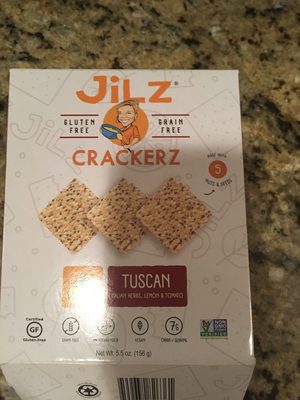 JILZ
Tuscan Crackerz, Tuscan
385kcal
11.5Protein
30.8Fat
26.9Carbs
HONEY STINGER
Organic Chocolate Mint Flavored Waffle, Organic Chocolate Mint
467kcal
3.3Protein
20Fat
70Carbs
HONEY STINGER
Gluten Free Organic Waffle, Wildflower Honey
467kcal
3.3Protein
20Fat
70Carbs
JILZ
Sea Salt & Cracked Pepper Crackerz, Original
385kcal
11.5Protein
30.8Fat
26.9Carbs
Full Circle Foods, Inc.
Crackerz
357kcal
10.7Protein
25Fat
25Carbs
Mary's Gone Crackers
Love Cookies, Double Chocolate
500kcal
3.9Protein
23.1Fat
69.2Carbs
Food For Life Baking Co Inc
Food For Life, Rice Pecan Bread, Rice Pecan, Rice Pecan
279kcal
4.7Protein
9.3Fat
44.2Carbs
JILZ
Tuscan Crackerz, Tuscan
385kcal
11.5Protein
30.8Fat
26.9Carbs
HONEY STINGER
Organic Chocolate Mint Flavored Waffle, Organic Chocolate Mint
467kcal
3.3Protein
20Fat
70Carbs
HONEY STINGER
Gluten Free Organic Waffle, Wildflower Honey
467kcal
3.3Protein
20Fat
70Carbs
JILZ
Sea Salt & Cracked Pepper Crackerz, Original
385kcal
11.5Protein
30.8Fat
26.9Carbs
Full Circle Foods, Inc.
Crackerz
357kcal
10.7Protein
25Fat
25Carbs
Mary's Gone Crackers
Love Cookies, Double Chocolate
500kcal
3.9Protein
23.1Fat
69.2Carbs
Food For Life Baking Co Inc
Food For Life, Rice Pecan Bread, Rice Pecan, Rice Pecan
279kcal
4.7Protein
9.3Fat
44.2Carbs
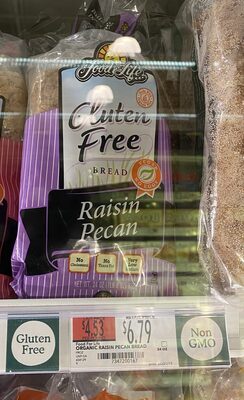 Food For Life Baking Co Inc
Food For Life, Gluten Free Bread, Raisin Pecan, Raisin Pecan
279kcal
4.7Protein
8.1Fat
46.5Carbs
r2 Diagnostics
Pancake & Waffle Mix
357kcal
14.3Protein
7.1Fat
64.3Carbs
r2 Diagnostics
Chocolate Chip Cookie Mix, Chocolate Chip
409kcal
9.1Protein
9.1Fat
72.7Carbs
Wink Frozen Desserts LLC
Wink Frozen Desserts, Frozen Dessert, Vanilla Bean, Vanilla Bean
43kcal
3.5Protein
0Fat
6.9Carbs
Food For Life Baking Co Inc
Food For Life, Gluten Free Bread, Raisin Pecan, Raisin Pecan
279kcal
4.7Protein
8.1Fat
46.5Carbs
r2 Diagnostics
Pancake & Waffle Mix
357kcal
14.3Protein
7.1Fat
64.3Carbs
r2 Diagnostics
Chocolate Chip Cookie Mix, Chocolate Chip
409kcal
9.1Protein
9.1Fat
72.7Carbs
Wink Frozen Desserts LLC
Wink Frozen Desserts, Frozen Dessert, Vanilla Bean, Vanilla Bean
43kcal
3.5Protein
0Fat
6.9Carbs