Organic Turkey Thighs
What is Organic Turkey Thighs?
Organic turkey thighs are a cut of meat taken from the upper leg of turkeys. "Organic" indicates that the turkeys were raised following USDA organic regulations, which include specific standards for feed, living conditions, and the absence of antibiotics or added hormones. This meat is typically deboned and processed for various food applications.
Is Organic Turkey Thighs vegan?
No. Organic Turkey Thighs is animal-derived, so it is not vegan.
Is Organic Turkey Thighs a major allergen?
Not a major allergen.
What is Organic Turkey Thighs used for?
Turkey thighs are used in food products primarily for their protein content, flavor, and texture.
Is Organic Turkey Thighs safe?
As a whole food, organic turkey thighs are not subject to FDA additive approval processes like GRAS or specific additive regulations.
Why it's used
Turkey thighs are used in food products primarily for their protein content, flavor, and texture. They are a common ingredient in processed meat items such as turkey bacon, sausages, and ground turkey products, often serving as a leaner alternative to red meats.
Health notes
As a whole food, organic turkey thighs are not subject to FDA additive approval processes like GRAS or specific additive regulations. Turkey meat is a source of lean protein, B vitamins, and minerals like selenium and zinc. Regulatory bodies like JECFA and EFSA do not evaluate whole foods like turkey meat in the same manner as food additives.
Allergen info
Not a major allergen.
Foods that contain Organic Turkey Thighs
Compare products →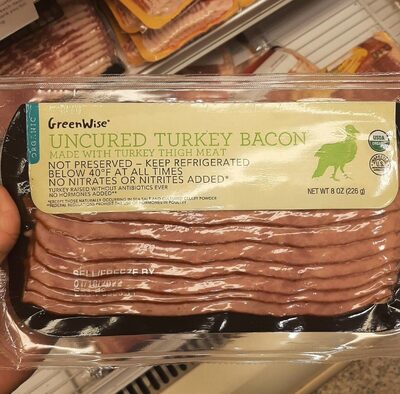
Learn more
Auto-generated content. This description was generated automatically and is pending editorial review. Inaccuracies are possible. Found a mistake? Contact us.