Organic Un-hulled Black Sesame Seeds
What is Organic Un-hulled Black Sesame Seeds?
Black sesame seeds are the whole, un-hulled seeds of the Sesamum indicum plant. They are small, oval-shaped, and have a rich, nutty flavor. The seeds are typically grown in tropical and subtropical regions and are harvested when the seed pods mature.
Is Organic Un-hulled Black Sesame Seeds vegan?
Organic Un-hulled Black Sesame Seeds is not animal-derived. Products that contain it can still include other animal-derived ingredients, so check the full ingredient list.
Is Organic Un-hulled Black Sesame Seeds a major allergen?
Sesame is one of the 9 FDA major allergens.
What is Organic Un-hulled Black Sesame Seeds used for?
Manufacturers use black sesame seeds for their distinct flavor, color, and texture.
Is Organic Un-hulled Black Sesame Seeds safe?
Black sesame seeds are generally recognized as safe (GRAS) by the FDA for use in food.
Why it's used
Manufacturers use black sesame seeds for their distinct flavor, color, and texture. They are often added to baked goods like breads and buns, sprinkled on top for visual appeal and a nutty crunch. They can also be found in savory dishes and as a garnish.
Health notes
Black sesame seeds are generally recognized as safe (GRAS) by the FDA for use in food. They are a source of nutrients like calcium, iron, and fiber. International bodies like JECFA and EFSA have evaluated sesame as a food ingredient. While generally considered healthy, some individuals may have sensitivities.
Allergen info
Sesame is one of the 9 FDA major allergens. Therefore, black sesame seeds are considered a major allergen.
Foods that contain Organic Un-hulled Black Sesame Seeds
Compare products →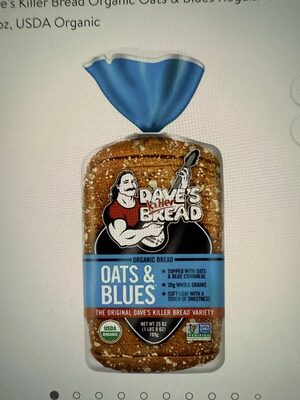
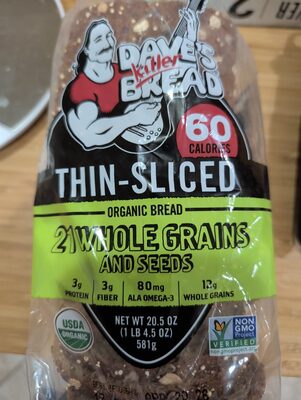
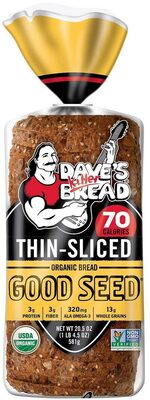
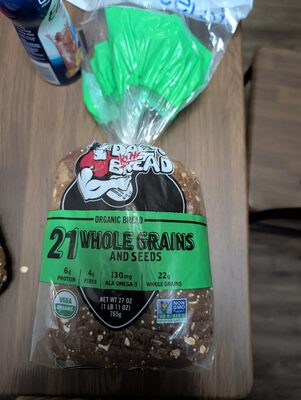
Learn more
Auto-generated content. This description was generated automatically and is pending editorial review. Inaccuracies are possible. Found a mistake? Contact us.