Organic Vegetables & Fruit
Auto-generated content. This description was generated automatically and is pending editorial review. Inaccuracies are possible. Found a mistake? Contact us.
What it is
Organic vegetables and fruits are grown without the use of synthetic pesticides, herbicides, or fertilizers. They are produced according to standards set by the USDA's National Organic Program. These standards ensure that the produce is grown and handled in a way that maintains environmental quality and conserves biodiversity.
Why it's used
Manufacturers use organic vegetables and fruits as whole food ingredients to add flavor, texture, and nutritional value to packaged foods. They are commonly found in products like snack bars, dried fruit mixes, and some ready-to-eat meals, providing a natural and wholesome component.
Health notes
Organic vegetables and fruits are generally considered safe and nutritious. The FDA regulates organic food production, and the USDA certifies that products meet organic standards. While some studies suggest potential differences in nutrient profiles or pesticide residues between organic and conventionally grown produce, the overall health impact at typical consumption levels is a subject of ongoing research. Major health organizations do not typically set specific intake recommendations for 'organic' produce versus conventional, focusing instead on overall fruit and vegetable consumption.
Allergen info
Vegetables and fruits are not among the nine major allergens defined by the FDA. They do not contain gluten unless cross-contaminated during processing.
Products containing Organic Vegetables & Fruit
Compare products →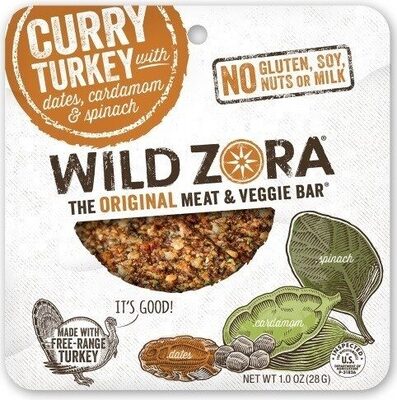 Wild Zora Foods, LLC
The Original Meat & Veggie Bar, Curry Turkey With Dates, Cardamom & Spinach
357kcal
25Protein
12.5Fat
35.7Carbs
Wild Zora Foods, LLC
The Original Meat & Veggie Bar, Curry Turkey With Dates, Cardamom & Spinach
357kcal
25Protein
12.5Fat
35.7Carbs