Organic Water Chestnuts
What is Organic Water Chestnuts?
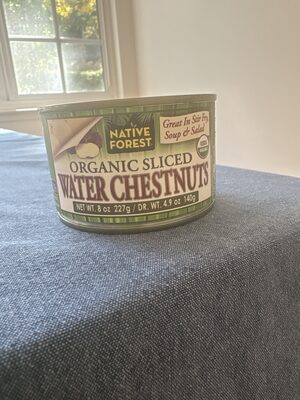
Water chestnuts are the edible corms (underground stems) of an aquatic plant grown in East Asia. They are typically harvested, peeled, and then canned or sold fresh. The canned versions are often packed in water or brine.
Is Organic Water Chestnuts vegan?
Organic Water Chestnuts is not animal-derived. Products that contain it can still include other animal-derived ingredients, so check the full ingredient list.
Is Organic Water Chestnuts gluten-free?
They do not contain gluten.
Is Organic Water Chestnuts a major allergen?
Water chestnuts are not a major allergen.
What is Organic Water Chestnuts used for?
Manufacturers use water chestnuts for their crisp texture and slightly sweet, mild flavor.
Is Organic Water Chestnuts safe?
Water chestnuts are generally recognized as safe (GRAS) by the FDA.
Why it's used
Manufacturers use water chestnuts for their crisp texture and slightly sweet, mild flavor. They add a pleasant crunch to dishes like stir-fries, curries, and salads. They are commonly found in frozen meals, canned vegetables, and Asian-inspired dishes.
Health notes
Water chestnuts are generally recognized as safe (GRAS) by the FDA. They are a source of dietary fiber and some vitamins and minerals. JECFA and EFSA have evaluated water chestnuts and found them to be safe for consumption. No significant health concerns are associated with eating water chestnuts in typical amounts.
Allergen info
Water chestnuts are not a major allergen. They do not contain gluten.
Foods that contain Organic Water Chestnuts
Compare products →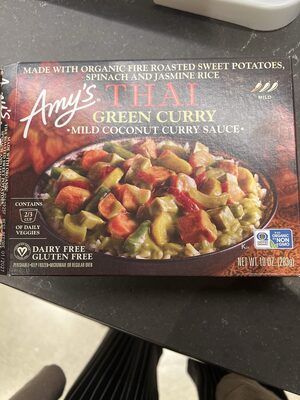
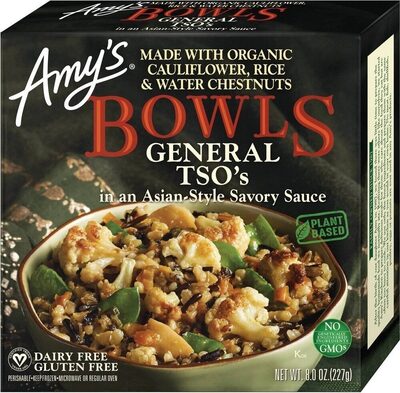
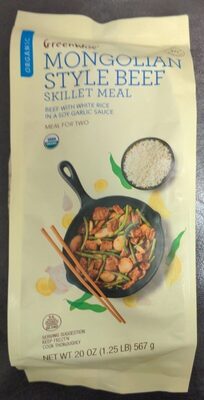
Auto-generated content. This description was generated automatically and is pending editorial review. Inaccuracies are possible. Found a mistake? Contact us.