Organic Whole Amaranth
What is Organic Whole Amaranth?
Amaranth is a pseudocereal, meaning it is a seed that is prepared and eaten like a grain. It is a small, oval-shaped seed that can be white, red, or black. Amaranth has been cultivated for thousands of years in Central and South America.
Is Organic Whole Amaranth vegan?
Organic Whole Amaranth is not animal-derived. Products that contain it can still include other animal-derived ingredients, so check the full ingredient list.
Is Organic Whole Amaranth gluten-free?
It does not contain gluten.
Is Organic Whole Amaranth a major allergen?
Amaranth is not a major allergen.
What is Organic Whole Amaranth used for?
Amaranth is often used as a whole grain in products like breads, cereals, and crackers.
Is Organic Whole Amaranth safe?
Amaranth is generally recognized as safe (GRAS) by the FDA for use as a food ingredient.
Why it's used
Amaranth is often used as a whole grain in products like breads, cereals, and crackers. It can also be popped and eaten as a snack or used as a thickener in soups and stews. Its slightly nutty flavor and chewy texture make it a versatile ingredient.
Health notes
Amaranth is generally recognized as safe (GRAS) by the FDA for use as a food ingredient. It is a good source of protein, fiber, and minerals. While it has not been specifically evaluated by JECFA or EFSA for additive safety, it is considered a whole food ingredient. No major health controversies are associated with its consumption at typical levels.
Allergen info
Amaranth is not a major allergen. It does not contain gluten.
Foods that contain Organic Whole Amaranth
Compare products →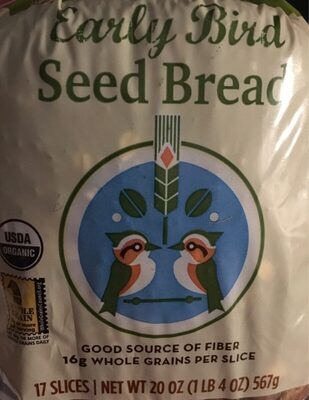
Learn more
Auto-generated content. This description was generated automatically and is pending editorial review. Inaccuracies are possible. Found a mistake? Contact us.