Organic Xos Prebiotic
What is Organic Xos Prebiotic?
Xylooligosaccharides (XOS) are a type of prebiotic fiber. They are typically derived from plant-based sources like corn cobs or wheat bran. XOS are produced through enzymatic hydrolysis of xylan, a component of plant cell walls.
Is Organic Xos Prebiotic vegan?
Organic Xos Prebiotic is not animal-derived. Products that contain it can still include other animal-derived ingredients, so check the full ingredient list.
Is Organic Xos Prebiotic gluten-free?
They do not contain gluten.
Is Organic Xos Prebiotic a major allergen?
XOS are not derived from any of the 9 major FDA allergens.
What is Organic Xos Prebiotic used for?
XOS are added to foods as a prebiotic fiber to support gut health.
Is Organic Xos Prebiotic safe?
XOS are generally recognized as safe (GRAS) by the FDA for use in food.
Why it's used
XOS are added to foods as a prebiotic fiber to support gut health. They act as a non-digestible carbohydrate that feeds beneficial bacteria in the colon. XOS are often found in functional foods, dietary supplements, and some snack products.
Health notes
XOS are generally recognized as safe (GRAS) by the FDA for use in food. As a prebiotic fiber, they can promote the growth of beneficial gut bacteria, which may have positive effects on digestive health. Regulatory bodies like EFSA have also evaluated prebiotics, recognizing their role in gut health. While generally considered safe, high intake may cause mild digestive discomfort in some individuals. Evidence suggests prebiotics can contribute to a balanced gut microbiome.
Allergen info
XOS are not derived from any of the 9 major FDA allergens. They do not contain gluten.
Foods that contain Organic Xos Prebiotic
Compare products →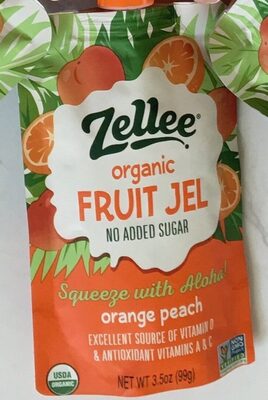
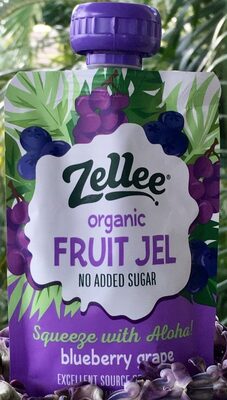
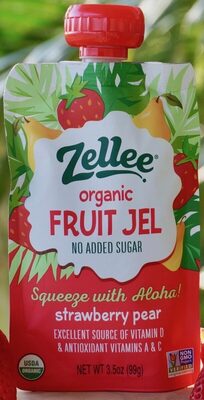
Learn more
Auto-generated content. This description was generated automatically and is pending editorial review. Inaccuracies are possible. Found a mistake? Contact us.