Orgen-e
What is Orgen-e?
Orgen-e is a brand name for a form of Vitamin E, specifically d-alpha-tocopherol. Vitamin E is a fat-soluble nutrient that occurs naturally in many foods, including nuts, seeds, and vegetable oils. It is often produced commercially through the processing of vegetable oils.
Is Orgen-e vegan?
Orgen-e is not animal-derived. Products that contain it can still include other animal-derived ingredients, so check the full ingredient list.
Is Orgen-e gluten-free?
It does not contain gluten.
Is Orgen-e a major allergen?
Orgen-e, derived from vegetable oils, is not one of the nine FDA major allergens.
What is Orgen-e used for?
Manufacturers add Orgen-e, a form of Vitamin E, to foods as an antioxidant.
Is Orgen-e safe?
In the US, Vitamin E is generally recognized as safe (GRAS) when used as a nutrient or antioxidant.
Why it's used
Manufacturers add Orgen-e, a form of Vitamin E, to foods as an antioxidant. Antioxidants help prevent oils and fats in food from going rancid, which can extend the shelf life of products. It is commonly found in beverages, particularly those marketed for health or performance benefits.
Health notes
In the US, Vitamin E is generally recognized as safe (GRAS) when used as a nutrient or antioxidant. The FDA regulates its use in food. The Joint FAO/WHO Expert Committee on Food Additives (JECFA) and the European Food Safety Authority (EFSA) have evaluated Vitamin E. While essential for health, very high doses of Vitamin E supplements can potentially interfere with blood clotting. Evidence does not suggest adverse effects from typical dietary intake.
Allergen info
Orgen-e, derived from vegetable oils, is not one of the nine FDA major allergens. It does not contain gluten.
Foods that contain Orgen-e
Compare products →

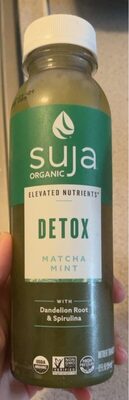

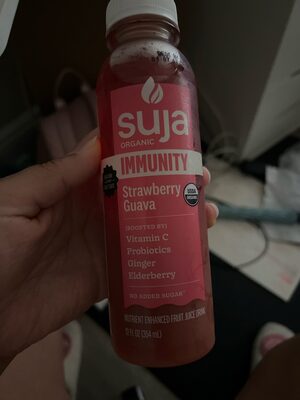
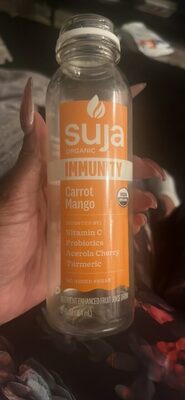
Learn more
Auto-generated content. This description was generated automatically and is pending editorial review. Inaccuracies are possible. Found a mistake? Contact us.