Over 20% Peanut Chunks
What is Over 20% Peanut Chunks?
Peanut chunks are pieces of roasted peanuts that are over 20% of the total product weight. Peanuts are legumes that grow underground, native to South America. They are typically roasted to enhance their flavor and texture before being processed.
Is Over 20% Peanut Chunks vegan?
Over 20% Peanut Chunks is not animal-derived. Products that contain it can still include other animal-derived ingredients, so check the full ingredient list.
Is Over 20% Peanut Chunks a major allergen?
Peanuts are one of the 9 FDA major allergens.
What is Over 20% Peanut Chunks used for?
Manufacturers add peanut chunks to provide a crunchy texture and a rich peanut flavor.
Is Over 20% Peanut Chunks safe?
Peanut chunks are a whole food and are generally recognized as safe (GRAS) by the FDA when used as intended.
Why it's used
Manufacturers add peanut chunks to provide a crunchy texture and a rich peanut flavor. They are most commonly found in peanut butter, especially varieties labeled as 'crunchy' or 'chunky'. They can also be found in snack mixes, baked goods, and confectionery.
Health notes
Peanut chunks are a whole food and are generally recognized as safe (GRAS) by the FDA when used as intended. They are a source of protein, healthy fats, and fiber. Regulatory bodies like JECFA and EFSA have evaluated peanuts and their components. While generally healthy, they are calorie-dense, and excessive intake could contribute to weight gain.
Allergen info
Peanuts are one of the 9 FDA major allergens. People with peanut allergies must avoid this ingredient.
Foods that contain Over 20% Peanut Chunks
Compare products →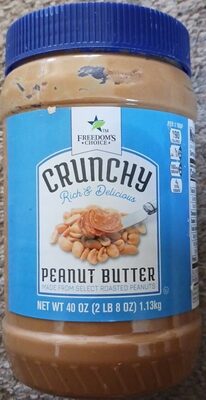 Freedom'S Choice
Crunchy Rich & Delicious Peanut Butter, Crunchy
594kcal
21.9Protein
46.9Fat
25Carbs
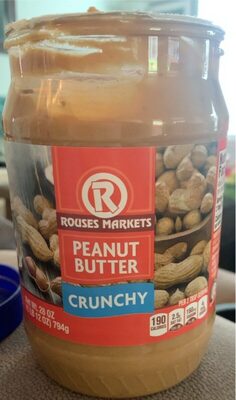
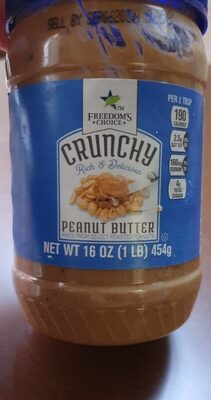 Freedom'S Choice
Crunchy Rich & Delicious Peanut Butter, Crunchy
594kcal
21.9Protein
46.9Fat
25Carbs
Learn more
Auto-generated content. This description was generated automatically and is pending editorial review. Inaccuracies are possible. Found a mistake? Contact us.