Palm Interesterified And Hydrogenated Soybean
Auto-generated content. This description was generated automatically and is pending editorial review. Inaccuracies are possible. Found a mistake? Contact us.
What it is
This is a type of fat made from a blend of palm oil and soybean oil. The oils are processed using interesterification, a method that rearranges the fatty acids on the glycerol backbone. Hydrogenation is then used to make the fat more solid and stable.
Why it's used
Manufacturers use this ingredient to improve the texture and stability of baked goods. It provides a creamy mouthfeel and helps prevent separation of ingredients. It is commonly found in cookies, biscuits, and other baked items.
Health notes
Palm interesterified and hydrogenated soybean oil is generally recognized as safe (GRAS) by the FDA for use in food. The hydrogenation process can create trans fats, although modern methods aim to minimize their formation. Trans fats, when consumed in excess, have been linked to negative health outcomes. The FDA has taken steps to limit trans fats in the food supply. JECFA and EFSA have evaluated fats and oils, but specific evaluations for this blended ingredient may vary.
Allergen info
This ingredient is derived from soybean, which is one of the 9 FDA major allergens. It does not contain gluten.
Products containing Palm Interesterified And Hydrogenated Soybean
Compare products →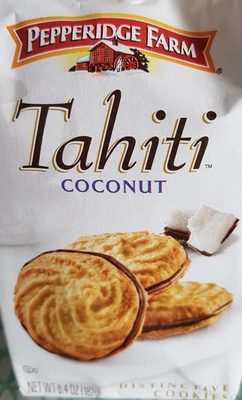 PEPPERIDGE FARM
Pepperidge Farm Cookies
High in saturated fat — 30% DV per serving
567kcal
6.7Protein
33.3Fat
56.7Carbs
PEPPERIDGE FARM
Pepperidge Farm Cookies
452kcal
6.5Protein
19.4Fat
67.7Carbs
PEPPERIDGE FARM
7Oz Milano Banana
High in saturated fat — 20% DV per serving
538kcal
3.9Protein
26.9Fat
69.2Carbs
Pepperidge Farm Inc.
Pepperidge Farm Cookies Pecan Pie
484kcal
6.5Protein
22.6Fat
61.3Carbs
PEPPERIDGE FARM
Pepperidge Farm Cookies
High in saturated fat — 30% DV per serving
567kcal
6.7Protein
33.3Fat
56.7Carbs
PEPPERIDGE FARM
Pepperidge Farm Cookies
452kcal
6.5Protein
19.4Fat
67.7Carbs
PEPPERIDGE FARM
7Oz Milano Banana
High in saturated fat — 20% DV per serving
538kcal
3.9Protein
26.9Fat
69.2Carbs
Pepperidge Farm Inc.
Pepperidge Farm Cookies Pecan Pie
484kcal
6.5Protein
22.6Fat
61.3Carbs
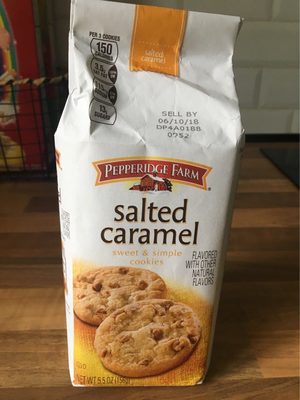 Pepperidge Farm, Inc.
Sweet & Simple Cookies, Salted Caramel
484kcal
3.2Protein
22.6Fat
71.0Carbs
Pepperidge Farm, Inc.
Soft Dessert Cookies, Mint Chocolate Brownie
419kcal
6.5Protein
16.1Fat
67.7Carbs
Pepperidge Farm, Inc.
Brown Butter Rum
500kcal
3.9Protein
23.1Fat
69.2Carbs
Pepperidge Farm, Inc.
Mocha Flavored Chocolate With Other Natural Cookies, Mocha Chocolate
High in saturated fat — 20% DV per serving
520kcal
4Protein
28Fat
64Carbs
Pepperidge Farm, Inc.
Sweet & Simple Cookies, Salted Caramel
484kcal
3.2Protein
22.6Fat
71.0Carbs
Pepperidge Farm, Inc.
Soft Dessert Cookies, Mint Chocolate Brownie
419kcal
6.5Protein
16.1Fat
67.7Carbs
Pepperidge Farm, Inc.
Brown Butter Rum
500kcal
3.9Protein
23.1Fat
69.2Carbs
Pepperidge Farm, Inc.
Mocha Flavored Chocolate With Other Natural Cookies, Mocha Chocolate
High in saturated fat — 20% DV per serving
520kcal
4Protein
28Fat
64Carbs