Palm Oil Shortening Non-hydrogenated
What is Palm Oil Shortening Non-hydrogenated?
Palm oil shortening is a semi-solid fat derived from the fruit of the oil palm tree. It is processed to achieve a solid consistency at room temperature without undergoing hydrogenation, a process that can create artificial trans fats.
Is Palm Oil Shortening Non-hydrogenated vegan?
Palm Oil Shortening Non-hydrogenated is not animal-derived. Products that contain it can still include other animal-derived ingredients, so check the full ingredient list.
Is Palm Oil Shortening Non-hydrogenated a major allergen?
Not a major allergen.
What is Palm Oil Shortening Non-hydrogenated used for?
Manufacturers use non-hydrogenated palm oil shortening to provide structure, texture, and a desirable mouthfeel in many processed foods.
Is Palm Oil Shortening Non-hydrogenated safe?
Palm oil is generally recognized as safe (GRAS) by the U.S. Food and Drug Administration (FDA).
Why it's used
Manufacturers use non-hydrogenated palm oil shortening to provide structure, texture, and a desirable mouthfeel in many processed foods. It is commonly found in baked goods like cookies, crackers, and pastries, where it helps create flakiness and tenderness.
Health notes
Palm oil is generally recognized as safe (GRAS) by the U.S. Food and Drug Administration (FDA). It is a source of saturated fat, and the Dietary Guidelines for Americans (2025-2030) advise limiting saturated fat intake to less than 10% of daily calories. Both JECFA and EFSA have evaluated palm oil.
Allergen info
Not a major allergen.
Foods that contain Palm Oil Shortening Non-hydrogenated
Compare products →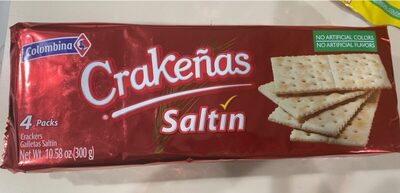
Learn more
Auto-generated content. This description was generated automatically and is pending editorial review. Inaccuracies are possible. Found a mistake? Contact us.