Pan Release
What is Pan Release?
Pan release agents are substances used to prevent food from sticking to baking pans, molds, and other cooking surfaces. They are typically made from a combination of oils, fats, and emulsifiers, and are often sprayed or brushed onto the surface before baking.
Is Pan Release a major allergen?
Pan release agents are not typically derived from major allergens.
What is Pan Release used for?
Manufacturers use pan release agents to ensure baked goods release easily from their pans, improving appearance and reducing waste.
Is Pan Release safe?
Pan release agents are generally recognized as safe (GRAS) by the FDA when used as intended.
Why it's used
Manufacturers use pan release agents to ensure baked goods release easily from their pans, improving appearance and reducing waste. They are commonly found in cakes, cupcakes, muffins, and other baked goods where a clean release is important.
Health notes
Pan release agents are generally recognized as safe (GRAS) by the FDA when used as intended. The ingredients used in pan release agents are typically common food ingredients like vegetable oils and lecithin. Regulatory bodies like JECFA and EFSA have evaluated many of the individual components of pan release agents. No significant health concerns are associated with their use at typical levels.
Allergen info
Pan release agents are not typically derived from major allergens. However, it is always best to check the ingredient list for specific products, as some formulations might contain ingredients derived from allergens like soy (lecithin) or wheat (flour).
Foods that contain Pan Release
Compare products →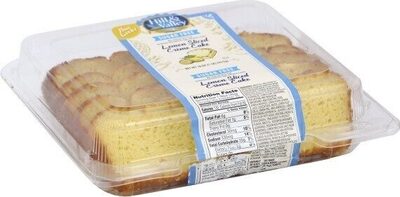
Auto-generated content. This description was generated automatically and is pending editorial review. Inaccuracies are possible. Found a mistake? Contact us.