Partially Hydrogenated Soybean & Palm Oils
What is Partially Hydrogenated Soybean & Palm Oils?
Partially hydrogenated soybean and palm oils are fats created by adding hydrogen atoms to liquid soybean and palm oils. This process, called partial hydrogenation, makes the oils more solid at room temperature and extends their shelf life.
Is Partially Hydrogenated Soybean & Palm Oils vegan?
Partially Hydrogenated Soybean & Palm Oils is not animal-derived. Products that contain it can still include other animal-derived ingredients, so check the full ingredient list.
Is Partially Hydrogenated Soybean & Palm Oils a major allergen?
Soybean oil is derived from soy, which is one of the nine major food allergens identified by the FDA.
What is Partially Hydrogenated Soybean & Palm Oils used for?
These oils were historically used to improve the texture, stability, and shelf life of many processed foods.
Is Partially Hydrogenated Soybean & Palm Oils safe?
Partially hydrogenated oils (PHOs) are the primary source of artificial trans fat in the diet.
Why it's used
These oils were historically used to improve the texture, stability, and shelf life of many processed foods. They were commonly found in baked goods like cookies and cakes, as well as in snack foods and some fried items.
Health notes
Partially hydrogenated oils (PHOs) are the primary source of artificial trans fat in the diet. The FDA determined that PHOs are no longer 'Generally Recognized As Safe' (GRAS) for use in human food, with the compliance date for removal being 2018. This action was taken because artificial trans fat is known to raise 'bad' cholesterol and lower 'good' cholesterol, increasing the risk of heart disease.
Allergen info
Soybean oil is derived from soy, which is one of the nine major food allergens identified by the FDA.
Foods that contain Partially Hydrogenated Soybean & Palm Oils
Compare products →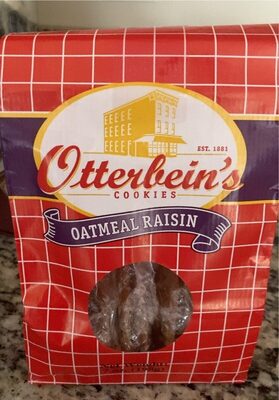
Learn more
Auto-generated content. This description was generated automatically and is pending editorial review. Inaccuracies are possible. Found a mistake? Contact us.