Partially Skim Milk And Milk
What is Partially Skim Milk And Milk?
Partially skim milk is milk from which some of the fat has been removed. It is a common dairy product used in a variety of foods. Milk is a nutrient-rich liquid food produced by the mammary glands of mammals.
Is Partially Skim Milk And Milk vegan?
No. Partially Skim Milk And Milk is animal-derived, so it is not vegan.
Is Partially Skim Milk And Milk gluten-free?
It does not contain gluten.
Is Partially Skim Milk And Milk a major allergen?
Milk is one of the nine major allergens recognized by the FDA.
What is Partially Skim Milk And Milk used for?
Partially skim milk and milk are used as a base ingredient in many dairy products, including cheeses, yogurts, and ice cream.
Is Partially Skim Milk And Milk safe?
Partially skim milk and milk are generally recognized as safe (GRAS) by the FDA.
Why it's used
Partially skim milk and milk are used as a base ingredient in many dairy products, including cheeses, yogurts, and ice cream. They provide a creamy texture and contribute to the overall flavor and nutritional profile of foods like sauces and pizzas.
Health notes
Partially skim milk and milk are generally recognized as safe (GRAS) by the FDA. They are a good source of calcium, vitamin D, and protein. While generally considered healthy, some individuals may be sensitive to lactose or milk proteins. The WHO has not specifically evaluated milk for health implications in the same way as food additives.
Allergen info
Milk is one of the nine major allergens recognized by the FDA. It does not contain gluten.
Foods that contain Partially Skim Milk And Milk
Compare products →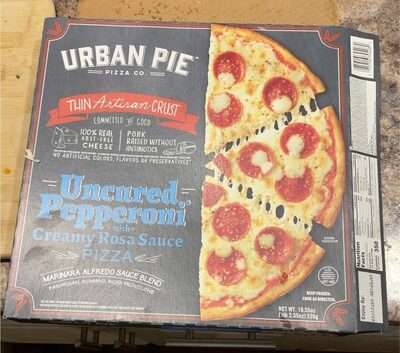 Palermo Villa Inc.
Uncured Pepperoni With Creamy Rosa Sauce, Marinara Alfredo Sauce Blend, Parmesan, Romano, Diced Provolone Thin Artisan Crust Pizza, Uncured Pepperoni
High in sodium — 40% DV per serving
High in saturated fat — 55% DV per serving
273kcal
12.1Protein
15.9Fat
19.7Carbs
Palermo Villa Inc.
Uncured Pepperoni With Creamy Rosa Sauce, Marinara Alfredo Sauce Blend, Parmesan, Romano, Diced Provolone Thin Artisan Crust Pizza, Uncured Pepperoni
High in sodium — 40% DV per serving
High in saturated fat — 55% DV per serving
273kcal
12.1Protein
15.9Fat
19.7Carbs
 Palermo Villa Inc.
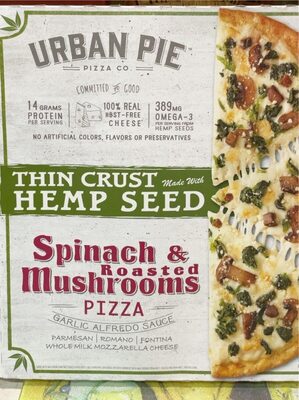
Spinach & Roasted Mushrooms Garlic Alfredo Sauce, Parmesan, Romano, Fontina, Whole Milk Mozzarella Cheese Thin Crust Made With Hemp Seed Pizza, Spinach & Roasted Mushrooms
High in sodium — 27% DV per serving
High in saturated fat — 25% DV per serving
216kcal
10.4Protein
9.7Fat
22.4Carbs
Palermo Villa Inc.
Eight Cheeses Creamy Garlic Alfredo Sauce, Mozzarella, Provolone, Fontina, Gouda, White Cheddar, Parmesan, Romano, Asiago Thin Artisan Crust Pizza, Eight Cheeses
High in sodium — 42% DV per serving
High in saturated fat — 70% DV per serving
275kcal
12.4Protein
15.0Fat
22.9Carbs
Target Stores
Chicken Carbonara Blend Of Five Cheeses With Seasoned White-Meat Chicken, Bacon & Creamy Sauce On A Crispy, Ultra-Thin Crust Pizza, Chicken Carbonara
High in sodium — 54% DV per serving
High in saturated fat — 55% DV per serving
High in cholesterol — 22% DV per serving
280kcal
16.7Protein
13.3Fat
23.3Carbs
Palermo Villa Inc.
Spinach & Roasted Mushrooms Garlic Alfredo Sauce, Parmesan, Romano, Fontina, Whole Milk Mozzarella Cheese Thin Crust Made With Hemp Seed Pizza, Spinach & Roasted Mushrooms
High in sodium — 27% DV per serving
High in saturated fat — 25% DV per serving
216kcal
10.4Protein
9.7Fat
22.4Carbs
Palermo Villa Inc.
Eight Cheeses Creamy Garlic Alfredo Sauce, Mozzarella, Provolone, Fontina, Gouda, White Cheddar, Parmesan, Romano, Asiago Thin Artisan Crust Pizza, Eight Cheeses
High in sodium — 42% DV per serving
High in saturated fat — 70% DV per serving
275kcal
12.4Protein
15.0Fat
22.9Carbs
Target Stores
Chicken Carbonara Blend Of Five Cheeses With Seasoned White-Meat Chicken, Bacon & Creamy Sauce On A Crispy, Ultra-Thin Crust Pizza, Chicken Carbonara
High in sodium — 54% DV per serving
High in saturated fat — 55% DV per serving
High in cholesterol — 22% DV per serving
280kcal
16.7Protein
13.3Fat
23.3Carbs
Learn more
Auto-generated content. This description was generated automatically and is pending editorial review. Inaccuracies are possible. Found a mistake? Contact us.