Partly Hydrogenated Vegetable Fat
Auto-generated content. This description was generated automatically and is pending editorial review. Inaccuracies are possible. Found a mistake? Contact us.
What it is
Partly hydrogenated vegetable fat is a type of fat made from vegetable oils. The process of hydrogenation adds hydrogen to the oil, making it more solid and stable at room temperature. This process can create trans fats.
Why it's used
Manufacturers use partly hydrogenated vegetable fat to improve the texture and shelf life of foods. It helps prevent oils from separating and gives baked goods a desirable crispness. It is often found in processed foods like baked goods, margarines, and some chocolate products.
Health notes
The US Food and Drug Administration (FDA) has determined that artificial trans fats, formed during partial hydrogenation, are no longer considered GRAS (Generally Recognized As Safe) for use in food. In April 2025, the FDA announced a plan to phase them out of the US food supply. While naturally occurring trans fats are present in some animal products, the primary concern has been with industrially produced trans fats. International bodies like JECFA have evaluated trans fats, and their consumption is generally advised to be as low as possible.
Allergen info
Partly hydrogenated vegetable fat is not derived from one of the 9 FDA major allergens. It does not contain gluten.
Products containing Partly Hydrogenated Vegetable Fat
Compare products →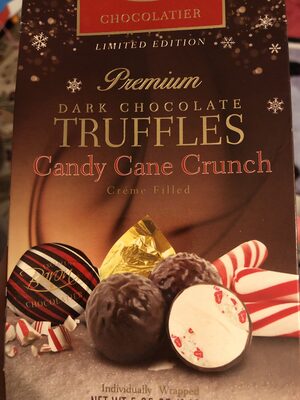 108 Stitches, LLC.
Truffles Peppermint, Dark Chocolate
High in saturated fat — 40% DV per serving
548kcal
4.8Protein
35.7Fat
50Carbs
108 Stitches, LLC.
Premium Milk Chocolate Truffles, Caramel Brownie
High in saturated fat — 40% DV per serving
524kcal
4.8Protein
30.9Fat
52.4Carbs
Market Basket Inc.
Premium Dark Chocolate Mini Truffles
High in saturated fat — 35% DV per serving
513kcal
5.1Protein
30.8Fat
51.3Carbs
Kombucha Magic Mushroom Farms, Inc.
Premium Hot Cocoa
400kcal
6.7Protein
13.3Fat
80Carbs
108 Stitches, LLC.
Truffles Peppermint, Dark Chocolate
High in saturated fat — 40% DV per serving
548kcal
4.8Protein
35.7Fat
50Carbs
108 Stitches, LLC.
Premium Milk Chocolate Truffles, Caramel Brownie
High in saturated fat — 40% DV per serving
524kcal
4.8Protein
30.9Fat
52.4Carbs
Market Basket Inc.
Premium Dark Chocolate Mini Truffles
High in saturated fat — 35% DV per serving
513kcal
5.1Protein
30.8Fat
51.3Carbs
Kombucha Magic Mushroom Farms, Inc.
Premium Hot Cocoa
400kcal
6.7Protein
13.3Fat
80Carbs