Pasteurized Cows And Sheeps Milk
What is Pasteurized Cows And Sheeps Milk?
This ingredient is milk from cows and sheep that has been pasteurized. Pasteurization is a process that heats milk to a specific temperature for a set period to kill harmful bacteria, making it safer for consumption. The milk can come from various dairy farms.
Is Pasteurized Cows And Sheeps Milk vegan?
No. Pasteurized Cows And Sheeps Milk is animal-derived, so it is not vegan.
Is Pasteurized Cows And Sheeps Milk gluten-free?
It does not contain gluten.
Is Pasteurized Cows And Sheeps Milk a major allergen?
Milk is one of the 9 major allergens identified by the FDA.
What is Pasteurized Cows And Sheeps Milk used for?
Milk is a common ingredient in many foods, providing a rich, creamy texture and a source of protein and calcium.
Is Pasteurized Cows And Sheeps Milk safe?
Pasteurized milk is a source of nutrients like calcium and vitamin D.
Why it's used
Milk is a common ingredient in many foods, providing a rich, creamy texture and a source of protein and calcium. It is often used in dairy products like cheese and yogurt, as well as in baked goods, sauces, and prepared meals.
Health notes
Pasteurized milk is a source of nutrients like calcium and vitamin D. The FDA considers milk and milk products to be safe and nutritious foods. While generally considered healthy, some individuals may have lactose intolerance or milk allergies. Major health organizations do not typically set specific intake limits for fluid milk as part of a balanced diet.
Allergen info
Milk is one of the 9 major allergens identified by the FDA. It does not contain gluten.
Foods that contain Pasteurized Cows And Sheeps Milk
Compare products →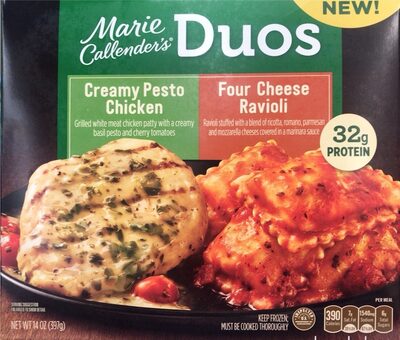 Conagra Brands, Inc
Marie Callender's Duos Creamy Pesto Chicken & Four Cheese Ravioli, Frozen Meal, 14 OZ
High in sodium — 67% DV per serving
High in saturated fat — 35% DV per serving
High in cholesterol — 38% DV per serving
—kcal
8.1Protein
3.5Fat
7.8Carbs
Conagra Brands, Inc
Marie Callender's Duos Creamy Pesto Chicken & Four Cheese Ravioli, Frozen Meal, 14 OZ
High in sodium — 67% DV per serving
High in saturated fat — 35% DV per serving
High in cholesterol — 38% DV per serving
—kcal
8.1Protein
3.5Fat
7.8Carbs
 Conagra Brands, Inc
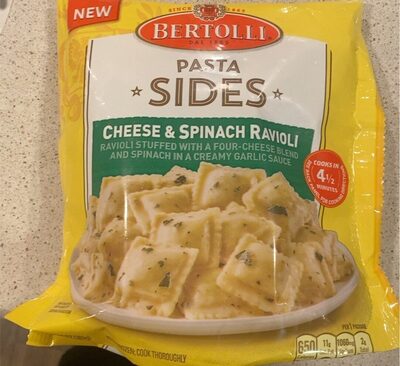
Bertolli Cheese & Spinach Ravioli, Frozen Appetizer, 13 oz.
High in sodium — 51% DV per serving
High in saturated fat — 70% DV per serving
High in cholesterol — 27% DV per serving
179kcal
5.7Protein
7.3Fat
22.5Carbs
Conagra Brands, Inc
Bertolli Cheese & Spinach Ravioli, Frozen Appetizer, 13 oz.
High in sodium — 51% DV per serving
High in saturated fat — 70% DV per serving
High in cholesterol — 27% DV per serving
179kcal
5.7Protein
7.3Fat
22.5Carbs
 Conagra Brands, Inc
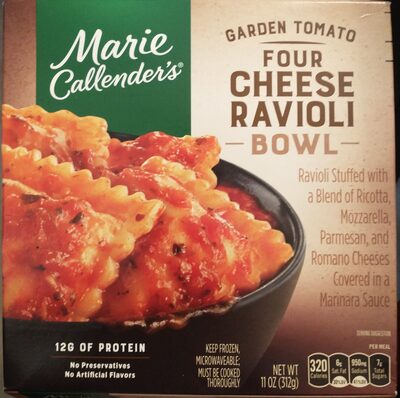
Marie Callender's Garden Tomato Four Cheese Ravioli Bowl, Single Serve Frozen Meal, 11 oz.
High in sodium — 32% DV per serving
High in saturated fat — 30% DV per serving
—kcal
3.9Protein
4.2Fat
13.5Carbs
Conagra Brands, Inc
Marie Callender's Garden Tomato Four Cheese Ravioli Bowl, Single Serve Frozen Meal, 11 oz.
High in sodium — 32% DV per serving
High in saturated fat — 30% DV per serving
—kcal
3.9Protein
4.2Fat
13.5Carbs
 Conagra Brands, Inc
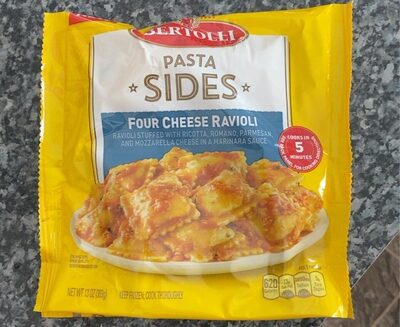
Bertolli Four Cheese Ravioli, Frozen Sides, 13 oz.
High in sodium — 47% DV per serving
High in saturated fat — 65% DV per serving
High in cholesterol — 30% DV per serving
168kcal
6.0Protein
7.3Fat
19.0Carbs
Conagra Brands, Inc
Bertolli Four Cheese Ravioli, Frozen Sides, 13 oz.
High in sodium — 47% DV per serving
High in saturated fat — 65% DV per serving
High in cholesterol — 30% DV per serving
168kcal
6.0Protein
7.3Fat
19.0Carbs
Learn more
Auto-generated content. This description was generated automatically and is pending editorial review. Inaccuracies are possible. Found a mistake? Contact us.