Pasteurized Cultured Grade A Nonfat Milk
What is Pasteurized Cultured Grade A Nonfat Milk?
This ingredient is milk that has been heated to kill harmful bacteria and then had a starter culture of beneficial bacteria added. These bacteria ferment the milk's lactose into lactic acid, which thickens the milk and gives it a tangy flavor. It is a dairy product.
Is Pasteurized Cultured Grade A Nonfat Milk vegan?
No. Pasteurized Cultured Grade A Nonfat Milk is animal-derived, so it is not vegan.
Is Pasteurized Cultured Grade A Nonfat Milk a major allergen?
Milk is one of the 9 major allergens recognized by the FDA.
What is Pasteurized Cultured Grade A Nonfat Milk used for?
Manufacturers use this ingredient to add a creamy texture, a slightly tart flavor, and protein to foods.
Is Pasteurized Cultured Grade A Nonfat Milk safe?
Pasteurized cultured nonfat milk is generally recognized as safe (GRAS) by the FDA.
Why it's used
Manufacturers use this ingredient to add a creamy texture, a slightly tart flavor, and protein to foods. It is commonly found in baked goods like cakes and cupcakes, as well as in dairy-based snacks and desserts.
Health notes
Pasteurized cultured nonfat milk is generally recognized as safe (GRAS) by the FDA. It is a source of protein and calcium. Regulatory bodies like the WHO and EFSA have not specifically evaluated this ingredient as a standalone additive, but dairy products are part of balanced diets. Consuming dairy products is generally considered safe for most people when eaten in moderation.
Allergen info
Milk is one of the 9 major allergens recognized by the FDA. This ingredient is derived from milk.
Foods that contain Pasteurized Cultured Grade A Nonfat Milk
Compare products →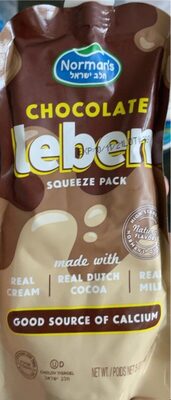 Norman's Dairy Corp.
Norman's Chocolate Leben Squeeze Pack, 5 Oz
High in added sugars — 32% DV per serving
106kcal
3.5Protein
3.2Fat
16.9Carbs
J & J Dairy Products Inc.
Cheese Snack, Crustless Mini Cheese Cake, Creamy Coffee Swirl, Cappuccino
High in saturated fat — 55% DV per serving
High in cholesterol — 32% DV per serving
312kcal
4.7Protein
22.4Fat
23.5Carbs
J & J Dairy Products Inc.
Creamy Crustless Mini-Cheesecakes Snacks, Creamy
High in saturated fat — 55% DV per serving
High in cholesterol — 32% DV per serving
294kcal
4.7Protein
22.4Fat
18.8Carbs
Norman's Dairy Corp.
Norman's Chocolate Leben Squeeze Pack, 5 Oz
High in added sugars — 32% DV per serving
106kcal
3.5Protein
3.2Fat
16.9Carbs
J & J Dairy Products Inc.
Cheese Snack, Crustless Mini Cheese Cake, Creamy Coffee Swirl, Cappuccino
High in saturated fat — 55% DV per serving
High in cholesterol — 32% DV per serving
312kcal
4.7Protein
22.4Fat
23.5Carbs
J & J Dairy Products Inc.
Creamy Crustless Mini-Cheesecakes Snacks, Creamy
High in saturated fat — 55% DV per serving
High in cholesterol — 32% DV per serving
294kcal
4.7Protein
22.4Fat
18.8Carbs
Learn more
Auto-generated content. This description was generated automatically and is pending editorial review. Inaccuracies are possible. Found a mistake? Contact us.