Pasteurized Ultra-filtered Nonfat Milk
Auto-generated content. This description was generated automatically and is pending editorial review. Inaccuracies are possible. Found a mistake? Contact us.
What it is
This is milk that has been pasteurized to kill harmful bacteria and then passed through a filter to remove most of the water and lactose. This process concentrates the milk proteins (casein and whey) and minerals. The result is a liquid with a higher protein content and less sugar than regular milk.
Why it's used
Manufacturers use pasteurized ultra-filtered nonfat milk to increase the protein content and improve the texture of dairy products. It is often found in yogurts, protein drinks, and some cheeses. Its concentrated protein helps create a thicker, creamier product.
Health notes
Pasteurized ultra-filtered nonfat milk is generally recognized as safe (GRAS) by the FDA. It is a source of protein and calcium. Regulatory bodies like JECFA and EFSA have evaluated milk and its components. No significant health controversies are associated with its typical consumption.
Allergen info
Pasteurized ultra-filtered nonfat milk is derived from milk, which is one of the 9 FDA major allergens. It does not contain gluten.
Products containing Pasteurized Ultra-filtered Nonfat Milk
Compare products →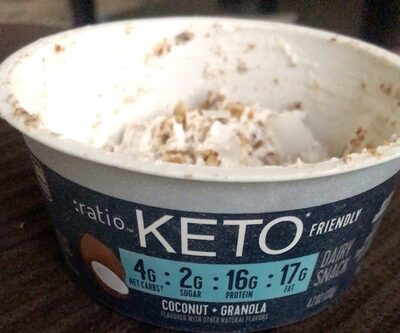 GENERAL MILLS SALES INC.
:ratio Keto Friendly Coconut and Granola Dairy Snack
High in saturated fat — 32% DV per serving
176kcal
12.0Protein
12.8Fat
4.4Carbs
GENERAL MILLS SALES INC.
:ratio Keto Friendly Coconut and Granola Dairy Snack
High in saturated fat — 32% DV per serving
176kcal
12.0Protein
12.8Fat
4.4Carbs
 GENERAL MILLS SALES INC.
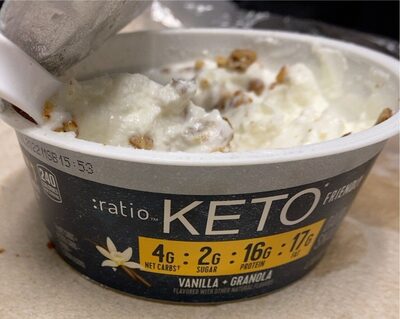
:ratio Keto Friendly Vanilla and Granola Dairy Snack
High in saturated fat — 32% DV per serving
176kcal
12.0Protein
12.8Fat
4.4Carbs
GENERAL MILLS SALES INC.
:ratio Keto Friendly Vanilla and Granola Dairy Snack
High in saturated fat — 32% DV per serving
176kcal
12.0Protein
12.8Fat
4.4Carbs
 GENERAL MILLS SALES INC.
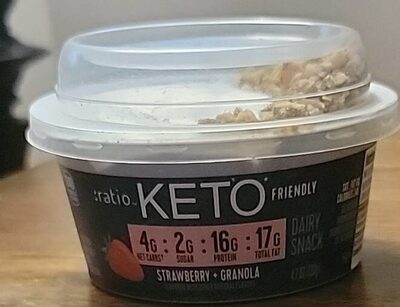
:ratio Keto Friendly Strawberry and Granola Dairy Snack
High in saturated fat — 31% DV per serving
183kcal
12.2Protein
13.2Fat
4.4Carbs
GENERAL MILLS SALES INC.
:ratio Keto Friendly Strawberry and Granola Dairy Snack
High in saturated fat — 31% DV per serving
183kcal
12.2Protein
13.2Fat
4.4Carbs
 GENERAL MILLS SALES INC.
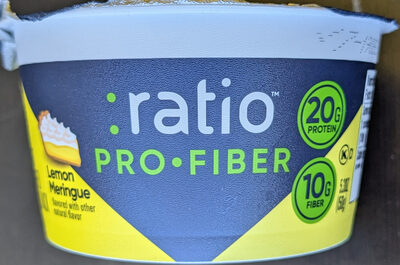
:ratio Fiber and Protein Lemon Meringue Dairy Snack
120kcal
13.3Protein
2.3Fat
14Carbs
GENERAL MILLS SALES INC.
:ratio Fiber and Protein Lemon Meringue Dairy Snack
120kcal
13.3Protein
2.3Fat
14Carbs
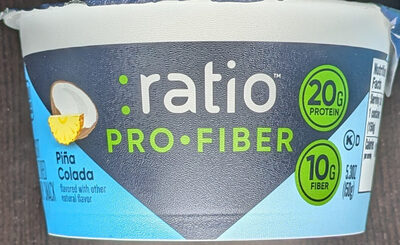 GENERAL MILLS SALES INC.
:ratio Fiber and Protein Pina Colada Dairy Snack
120kcal
13.3Protein
2.3Fat
14Carbs
GENERAL MILLS SALES INC.
:ratio Fiber and Protein Pina Colada Dairy Snack
120kcal
13.3Protein
2.3Fat
14Carbs