Penicillium Roqueforti
What is Penicillium Roqueforti?
Penicillium roqueforti is a type of mold used to make blue-veined cheeses. It is a naturally occurring microorganism that gives cheeses like Roquefort and Gorgonzola their characteristic blue-green streaks and pungent flavor.
Is Penicillium Roqueforti vegan?
Penicillium Roqueforti is not animal-derived. Products that contain it can still include other animal-derived ingredients, so check the full ingredient list.
Is Penicillium Roqueforti gluten-free?
It does not contain gluten.
Is Penicillium Roqueforti a major allergen?
Penicillium roqueforti itself is not one of the nine major allergens.
What is Penicillium Roqueforti used for?
This mold is primarily used as a starter culture in cheesemaking to develop the distinctive flavor, aroma, and appearance of blue cheeses.
Is Penicillium Roqueforti safe?
Penicillium roqueforti is generally recognized as safe (GRAS) by the FDA for its use in food.
Why it's used
This mold is primarily used as a starter culture in cheesemaking to develop the distinctive flavor, aroma, and appearance of blue cheeses. It is essential for creating the characteristic blue veins and sharp taste found in many popular cheese varieties.
Health notes
Penicillium roqueforti is generally recognized as safe (GRAS) by the FDA for its use in food. It is a natural component of blue cheese and is consumed by many people without issue. International bodies like JECFA have evaluated its safety in food contexts. No significant health controversies are associated with its typical consumption in cheese.
Allergen info
Penicillium roqueforti itself is not one of the nine major allergens. However, it is used to make cheese, which is a dairy product and a major allergen. It does not contain gluten.
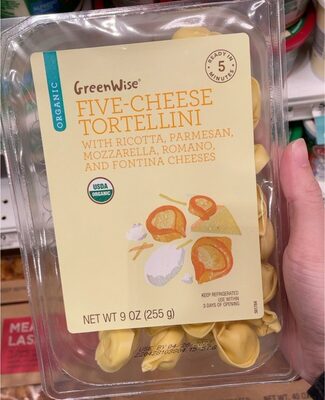
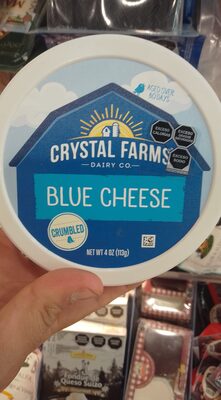
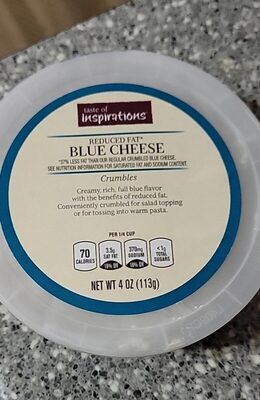
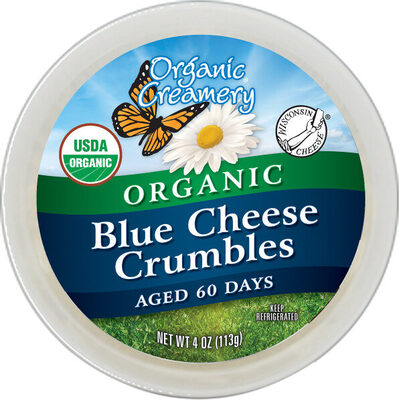
Foods that contain Penicillium Roqueforti
Compare products →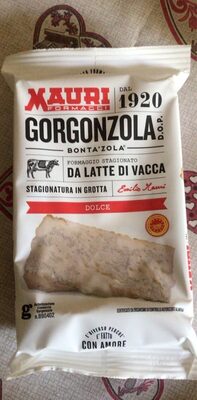
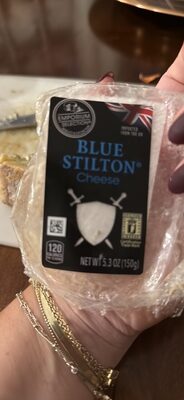
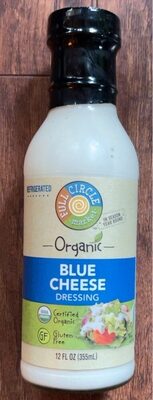
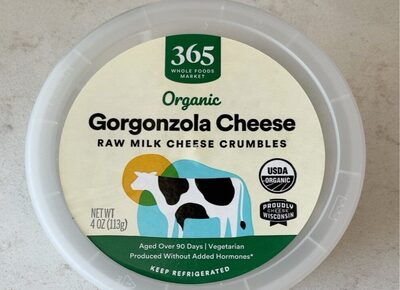
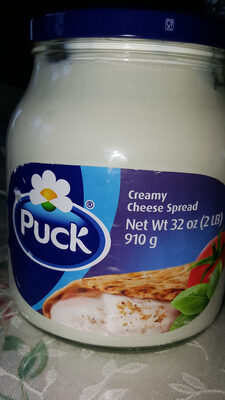
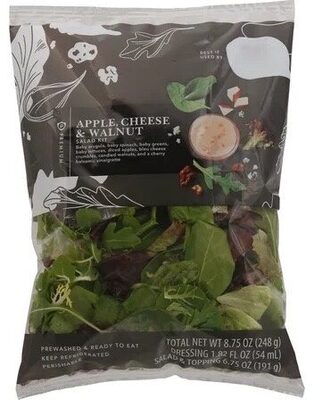
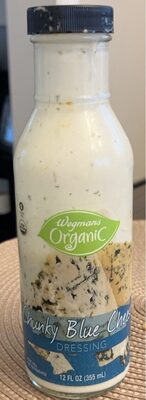
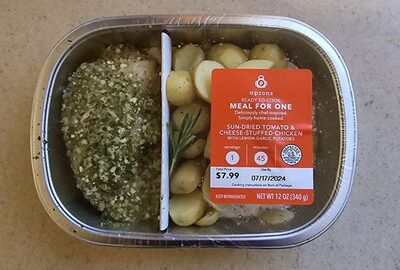
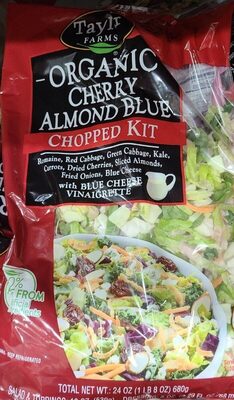
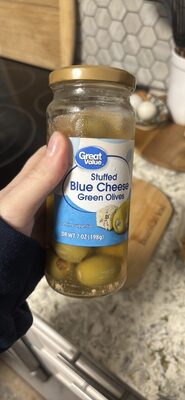
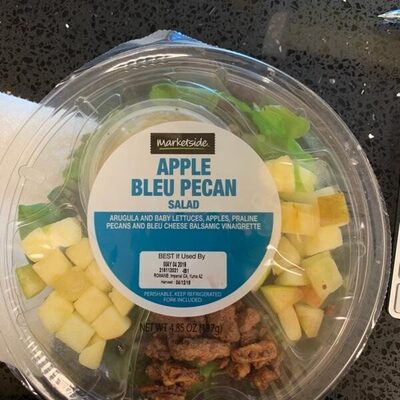
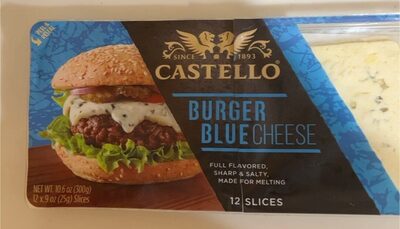
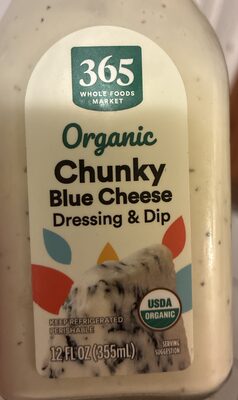
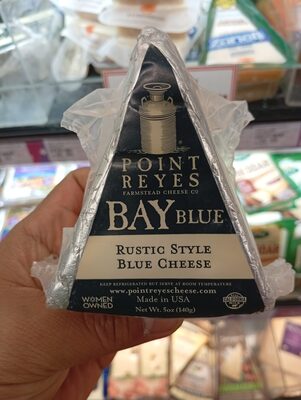
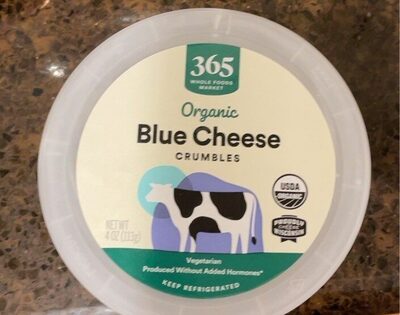
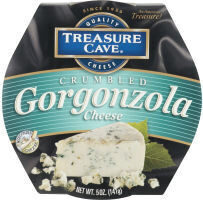
Auto-generated content. This description was generated automatically and is pending editorial review. Inaccuracies are possible. Found a mistake? Contact us.