Pepperoncini
What is Pepperoncini?
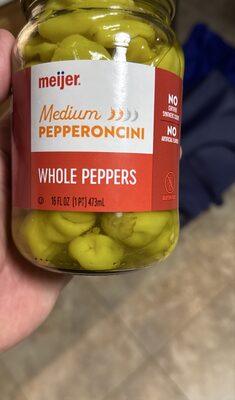
Pepperoncini are a variety of medium-sized, mild chili peppers, typically pickled. They are a cultivar of the chili pepper species *Capsicum annuum*, originating from Italy. They are usually sold whole or sliced, preserved in brine or vinegar.
Is Pepperoncini vegan?
Pepperoncini is not animal-derived. Products that contain it can still include other animal-derived ingredients, so check the full ingredient list.
Is Pepperoncini gluten-free?
They do not contain gluten.
Is Pepperoncini a major allergen?
Pepperoncini are not derived from any of the 9 FDA major allergens.
What is Pepperoncini used for?
Pepperoncini are primarily used to add a mild, slightly tangy, and peppery flavor to foods.
Is Pepperoncini safe?
Pepperoncini are considered a vegetable and are generally recognized as safe (GRAS) by the FDA when used as a food ingredient.
Why it's used
Pepperoncini are primarily used to add a mild, slightly tangy, and peppery flavor to foods. They are commonly found in antipasto platters, salads, sandwiches, pizzas, and as a condiment for deli meats and cheeses. Their firm texture also adds a pleasant bite.
Health notes
Pepperoncini are considered a vegetable and are generally recognized as safe (GRAS) by the FDA when used as a food ingredient. They contain vitamins and antioxidants. International bodies like JECFA and EFSA have evaluated various peppers, but specific evaluations for pepperoncini are not widely cited. Evidence does not suggest adverse health effects from typical consumption.
Allergen info
Pepperoncini are not derived from any of the 9 FDA major allergens. They do not contain gluten.
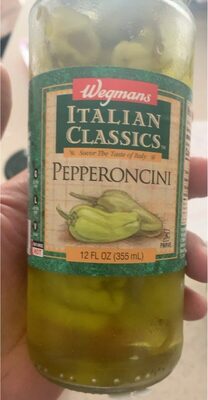
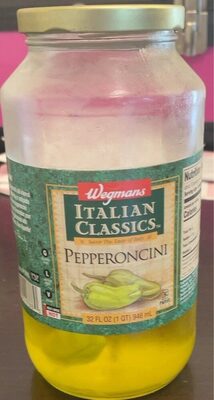
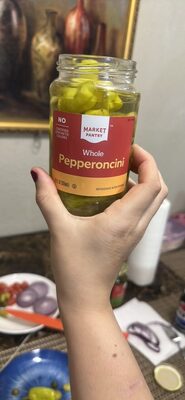
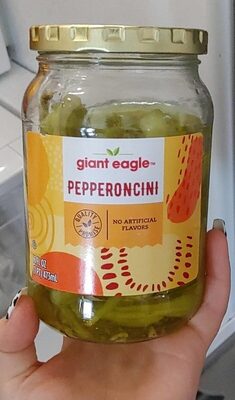
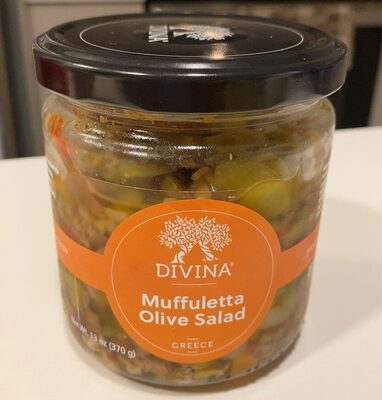
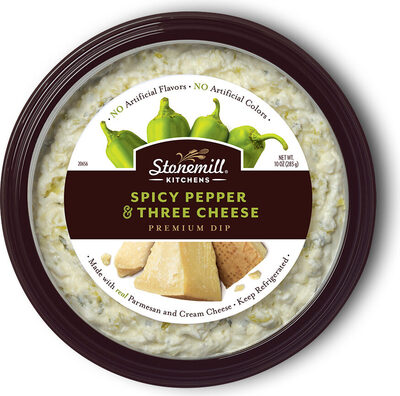
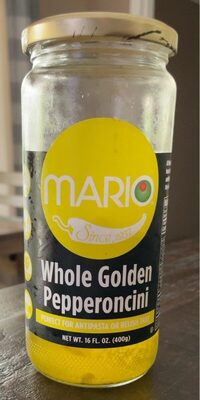
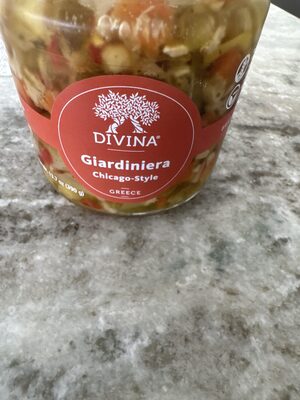
Foods that contain Pepperoncini
Compare products →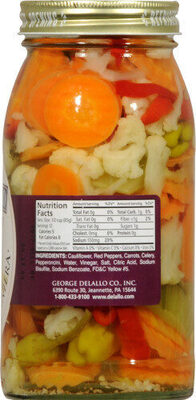
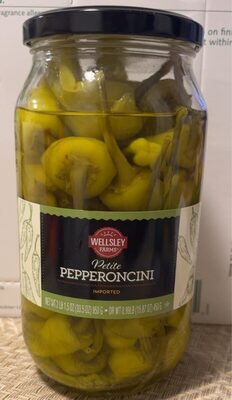 Wellsley Farms
Petite Pepperoncini
High in sodium — 24% DV per serving
36kcal
0Protein
0Fat
3.6Carbs
Auto-generated content. This description was generated automatically and is pending editorial review. Inaccuracies are possible. Found a mistake? Contact us.