Phylloquinone
What is Phylloquinone?
Phylloquinone is the chemical name for Vitamin K1. It is a fat-soluble vitamin naturally found in many green leafy vegetables like spinach, kale, and broccoli. It is essential for blood clotting and bone health.
Is Phylloquinone vegan?
Phylloquinone is not animal-derived. Products that contain it can still include other animal-derived ingredients, so check the full ingredient list.
Is Phylloquinone gluten-free?
It does not contain gluten.
Is Phylloquinone a major allergen?
Phylloquinone is not derived from any of the 9 FDA major allergens.
What is Phylloquinone used for?
Phylloquinone is added to foods as a nutrient to fortify them with Vitamin K.
Is Phylloquinone safe?
Phylloquinone is recognized as a nutrient and is commonly added to foods.
Why it's used
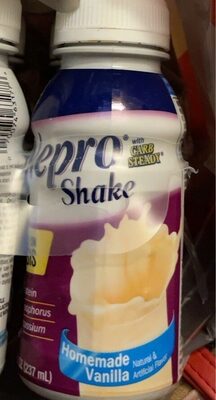
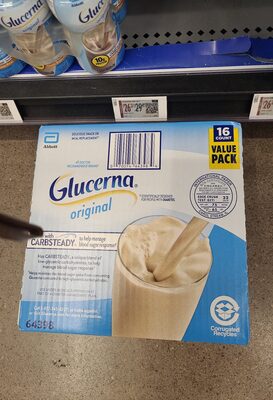
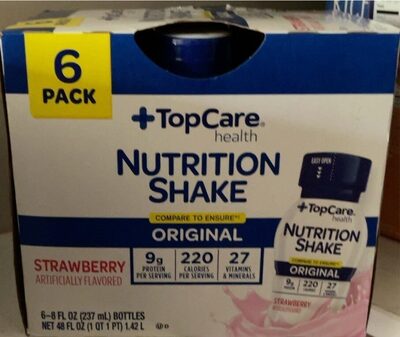
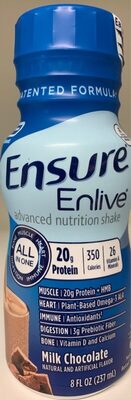
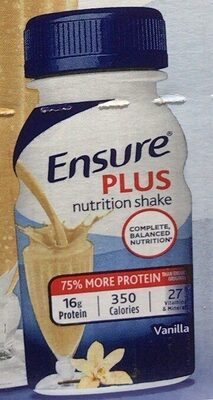
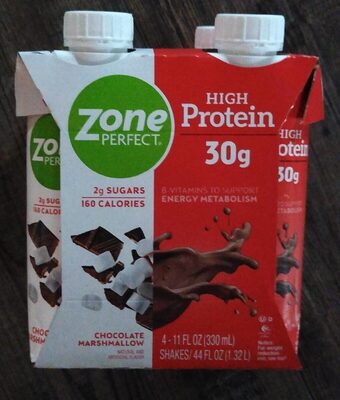
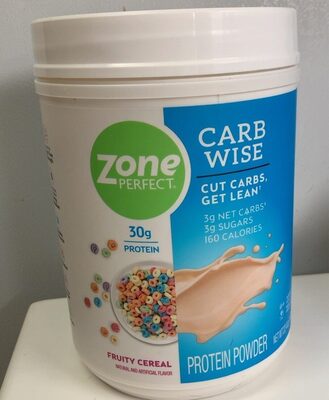
Phylloquinone is added to foods as a nutrient to fortify them with Vitamin K. It is commonly found in infant formulas, nutritional drinks, and other foods marketed for specific health needs or dietary supplements.
Health notes
Phylloquinone is recognized as a nutrient and is commonly added to foods. The U.S. Food and Drug Administration (FDA) considers it a vitamin. Regulatory bodies like the European Food Safety Authority (EFSA) have evaluated Vitamin K, recognizing its role in normal blood coagulation. Evidence generally supports its importance for health at typical dietary intakes.
Allergen info
Phylloquinone is not derived from any of the 9 FDA major allergens. It does not contain gluten.
Foods that contain Phylloquinone
Compare products →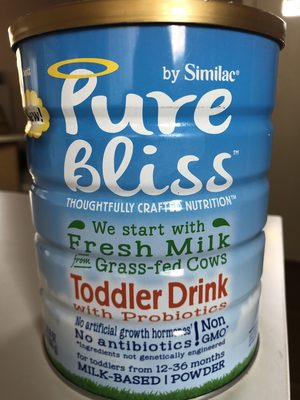
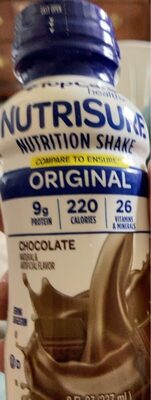
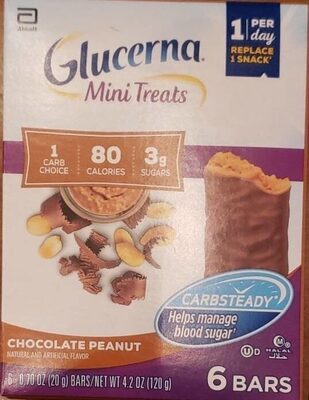
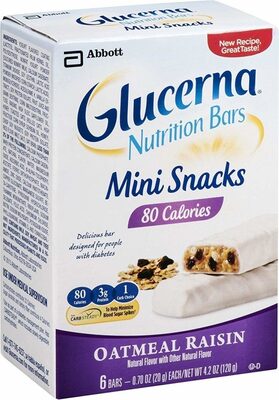
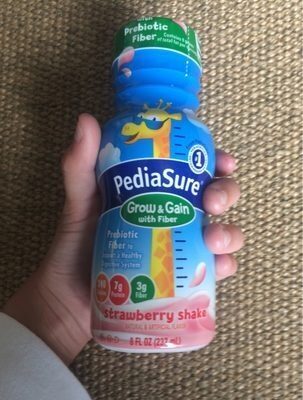
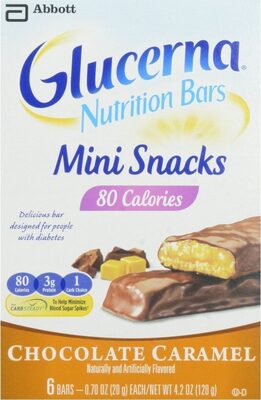
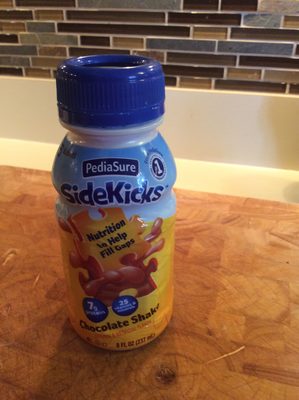
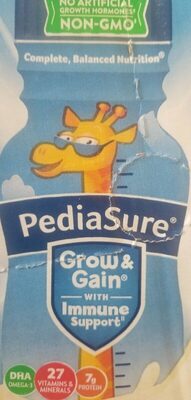
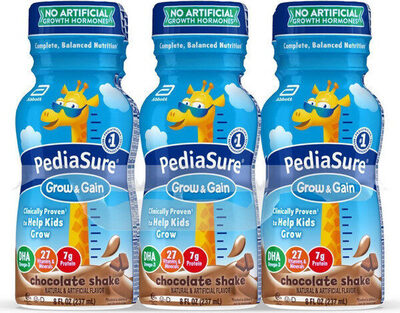

Learn more
Auto-generated content. This description was generated automatically and is pending editorial review. Inaccuracies are possible. Found a mistake? Contact us.