Phytase
What is Phytase?
Phytase is an enzyme that helps break down phytate, a compound found in plant-based foods like grains and seeds. It is produced commercially through fermentation using specific microorganisms, such as fungi or bacteria.
Is Phytase vegan?
Phytase is not animal-derived. Products that contain it can still include other animal-derived ingredients, so check the full ingredient list.
Is Phytase gluten-free?
It does not contain gluten.
Is Phytase a major allergen?
Phytase is not derived from any of the nine FDA major allergens.
What is Phytase used for?
Manufacturers add phytase to animal feed to improve the digestibility of phosphorus, reducing the need for supplemental phosphorus and lowering environmental impact.
Is Phytase safe?
In the US, phytase is generally recognized as safe (GRAS) for use in food.
Why it's used
Manufacturers add phytase to animal feed to improve the digestibility of phosphorus, reducing the need for supplemental phosphorus and lowering environmental impact. In human foods, it can be used to reduce phytate levels, potentially increasing the bioavailability of minerals like iron and zinc.
Health notes
In the US, phytase is generally recognized as safe (GRAS) for use in food. It is an enzyme naturally present in many foods and plays a role in nutrient absorption. International bodies like JECFA have evaluated enzymes used in food processing, and EFSA has also assessed their safety.
Allergen info
Phytase is not derived from any of the nine FDA major allergens. It does not contain gluten.
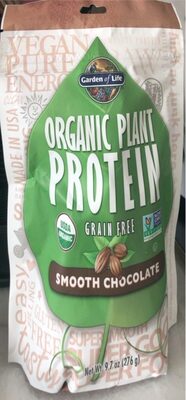
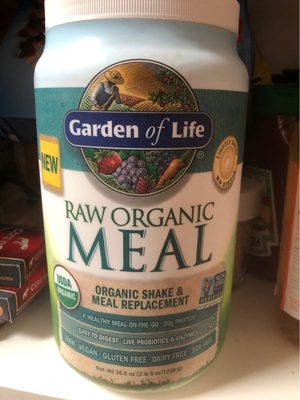
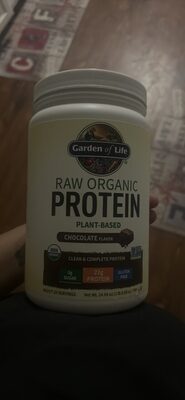
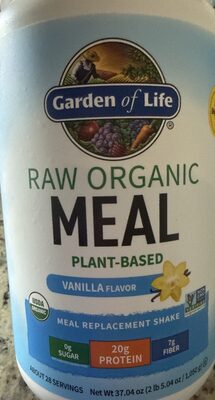
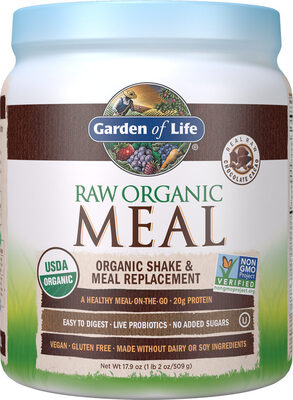
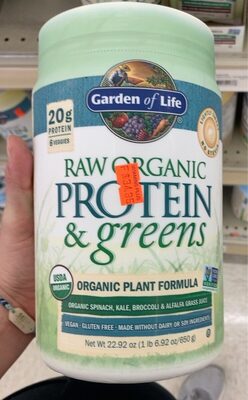
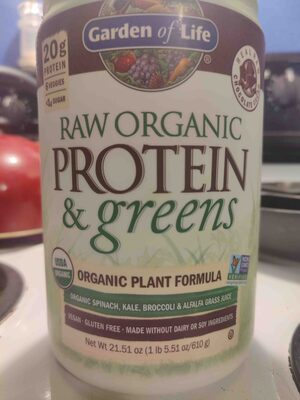
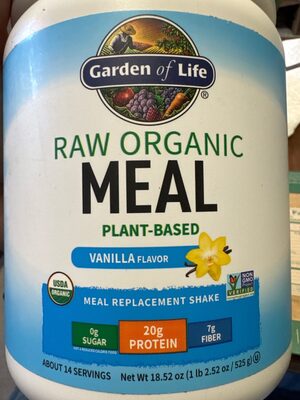
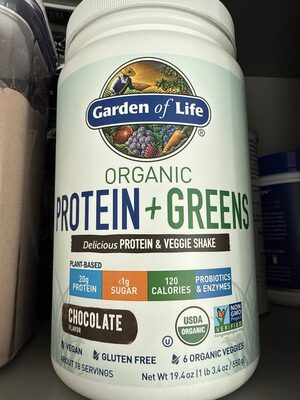
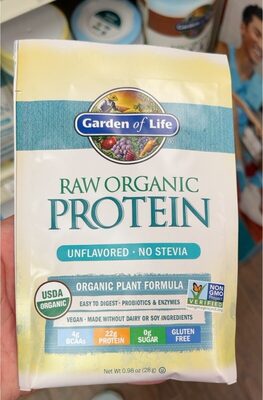
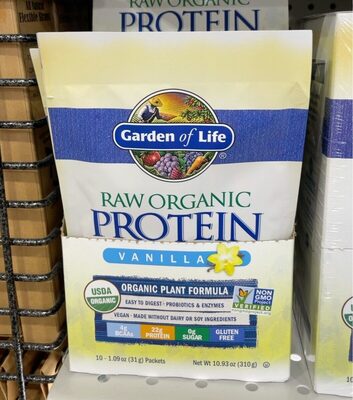
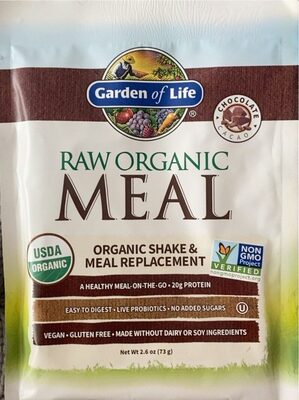
Foods that contain Phytase
Compare products →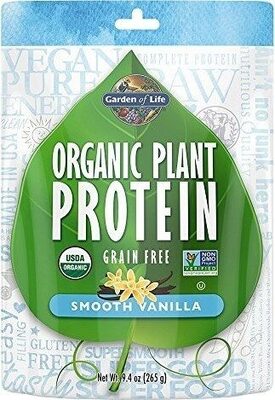
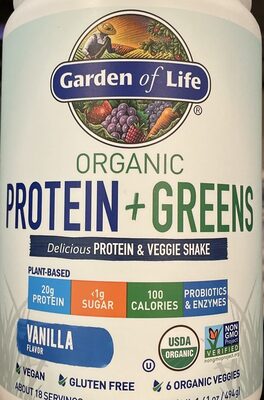
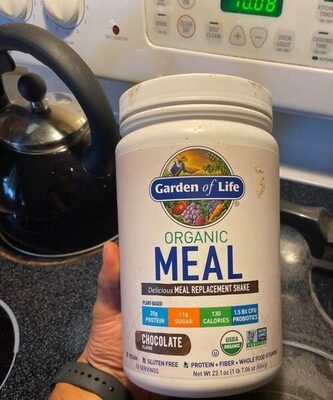
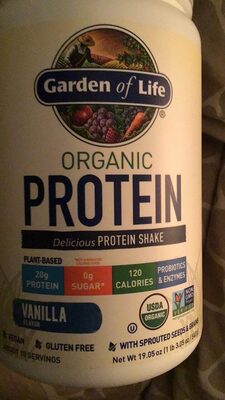
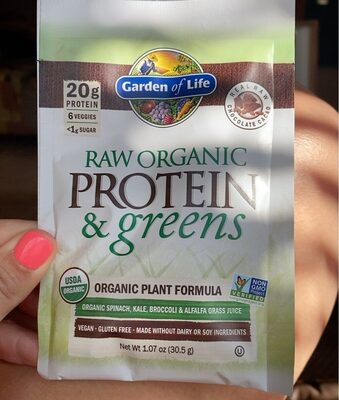
Auto-generated content. This description was generated automatically and is pending editorial review. Inaccuracies are possible. Found a mistake? Contact us.