Beta-glucanase
What is Beta-glucanase?
Beta-glucanase is an enzyme that breaks down beta-glucans, a type of carbohydrate found in grains like oats and barley. It is typically produced through the fermentation of microorganisms, such as fungi or bacteria.
Is Beta-glucanase vegan?
Beta-glucanase is not animal-derived. Products that contain it can still include other animal-derived ingredients, so check the full ingredient list.
Is Beta-glucanase gluten-free?
It does not contain gluten.
Is Beta-glucanase a major allergen?
Beta-glucanase is not derived from any of the 9 major allergens.
What is Beta-glucanase used for?
Manufacturers use beta-glucanase to improve the texture and processing of foods containing beta-glucans, such as baked goods and beverages.
Is Beta-glucanase safe?
Beta-glucanase is generally recognized as safe (GRAS) by the FDA for use in food.
Why it's used
Manufacturers use beta-glucanase to improve the texture and processing of foods containing beta-glucans, such as baked goods and beverages. It can help reduce viscosity and prevent gelling, leading to a smoother product.
Health notes
Beta-glucanase is generally recognized as safe (GRAS) by the FDA for use in food. While beta-glucans themselves are known for potential health benefits like cholesterol reduction, the enzyme's role is primarily in food processing. JECFA has evaluated beta-glucanase and established an acceptable daily intake. There is no widespread controversy regarding its use at typical levels.
Allergen info
Beta-glucanase is not derived from any of the 9 major allergens. It does not contain gluten.
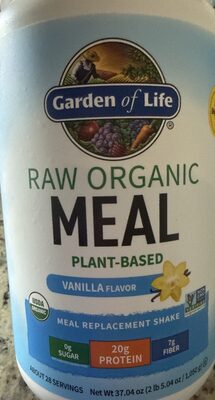
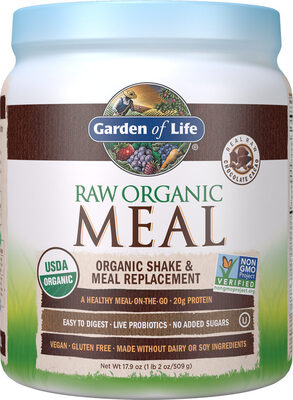
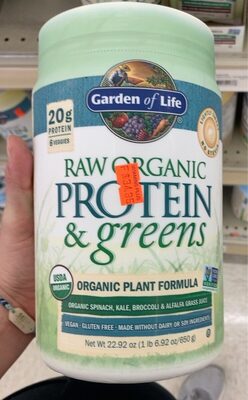
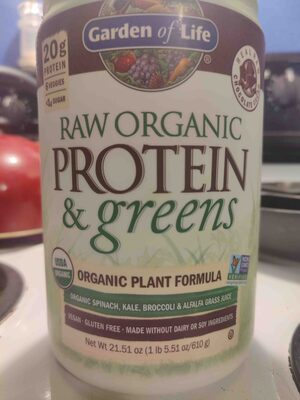
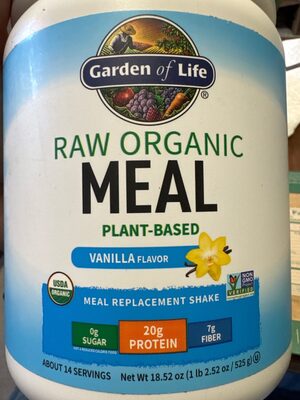
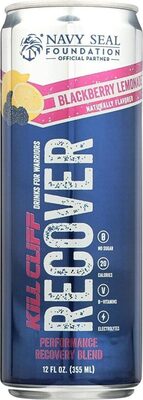
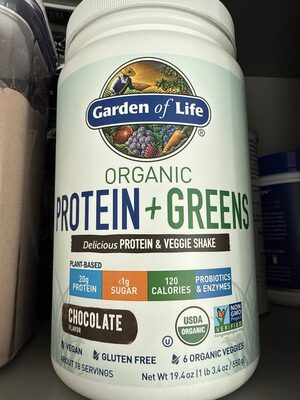
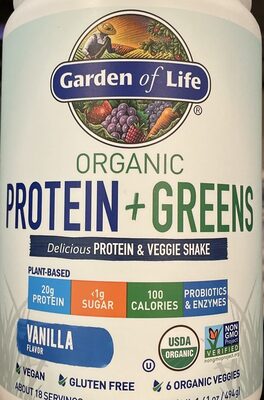
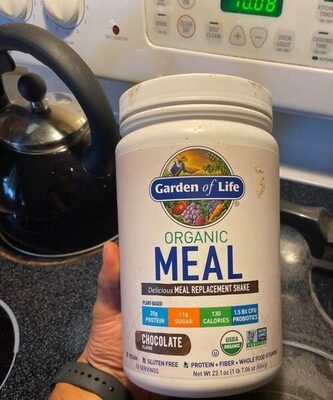
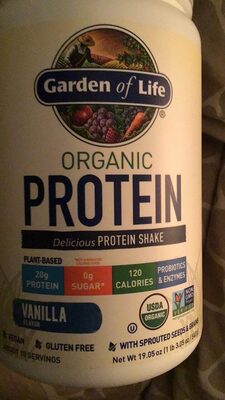
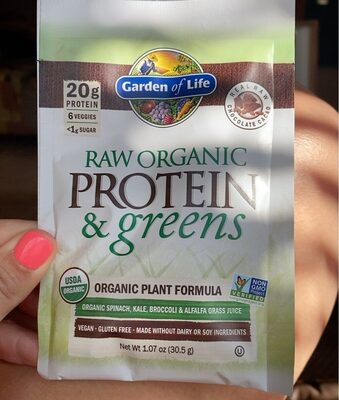
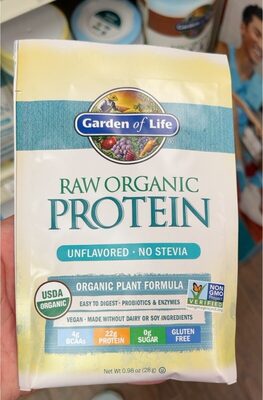
Foods that contain Beta-glucanase
Compare products →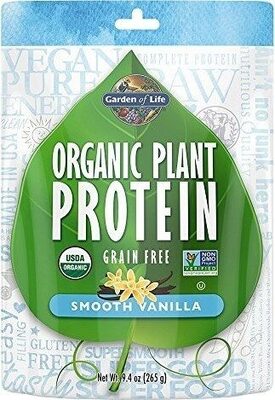
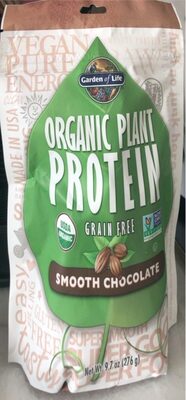
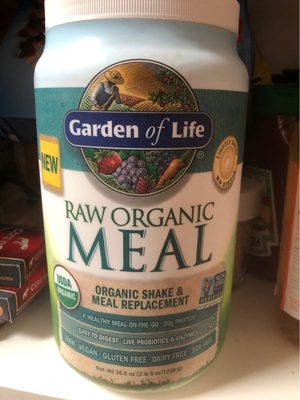
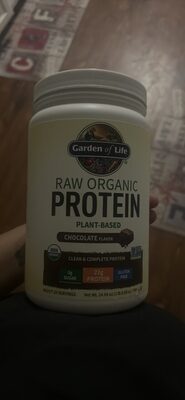

Auto-generated content. This description was generated automatically and is pending editorial review. Inaccuracies are possible. Found a mistake? Contact us.