Peptidase
What is Peptidase?
Peptidase is an enzyme that breaks down proteins into smaller parts called peptides and amino acids. It can be produced by plants, animals, and microorganisms like bacteria and fungi. These enzymes are often isolated and purified for use in food processing.
Is Peptidase gluten-free?
However, if derived from sources like wheat or soy, it could potentially contain trace amounts of allergens or gluten, depending on the manufacturing process.
Is Peptidase a major allergen?
Peptidase itself is not one of the major allergens.
What is Peptidase used for?
Peptidases are used in food manufacturing to modify proteins, improving texture, flavor, and solubility.
Is Peptidase safe?
Peptidases are generally recognized as safe (GRAS) by the FDA for use in food.
Why it's used
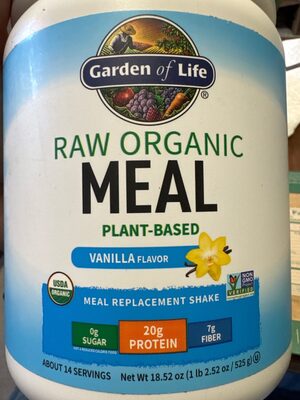
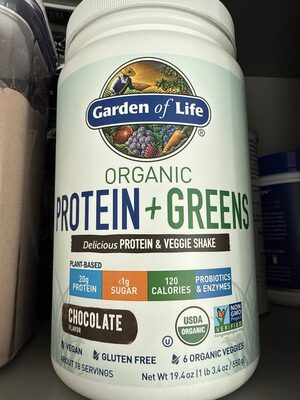
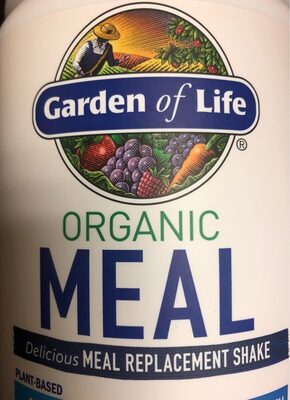
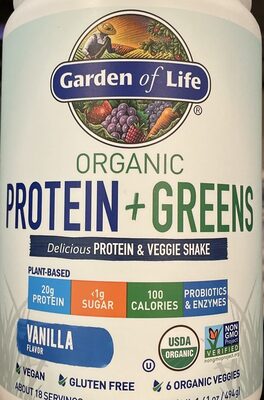
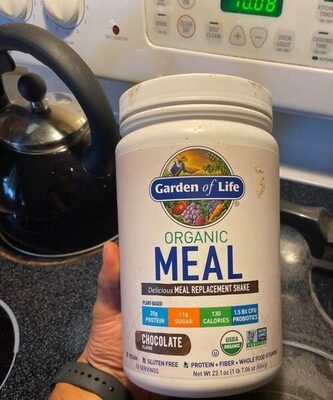
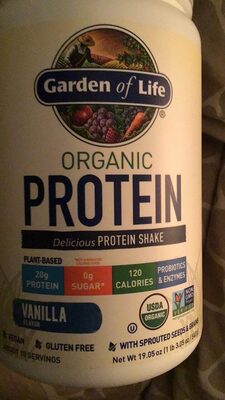
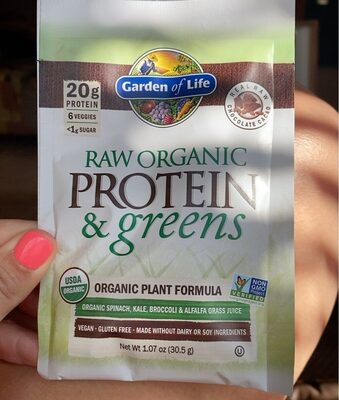
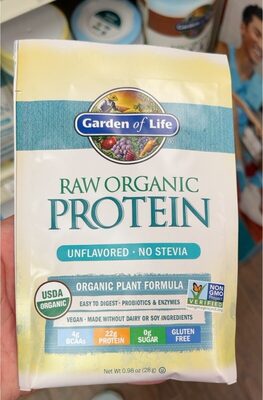
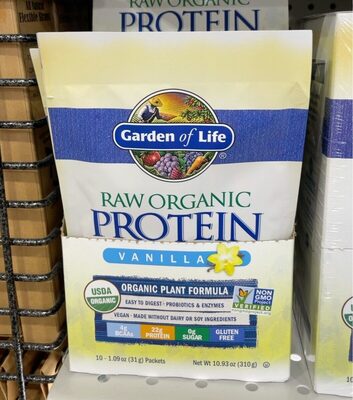
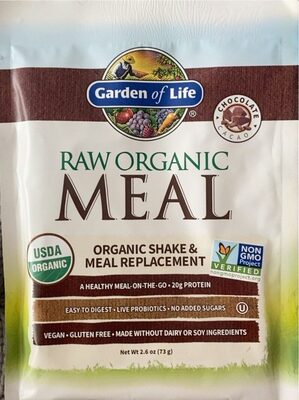
Peptidases are used in food manufacturing to modify proteins, improving texture, flavor, and solubility. They are commonly found in protein supplements, meal replacements, and baked goods where they can help break down gluten or enhance dough properties.
Health notes
Peptidases are generally recognized as safe (GRAS) by the FDA for use in food. They are enzymes that aid in digestion and are not associated with adverse health effects at typical consumption levels. International bodies like JECFA have evaluated enzymes, and they are widely used globally without significant controversy.
Allergen info
Peptidase itself is not one of the major allergens. However, if derived from sources like wheat or soy, it could potentially contain trace amounts of allergens or gluten, depending on the manufacturing process.
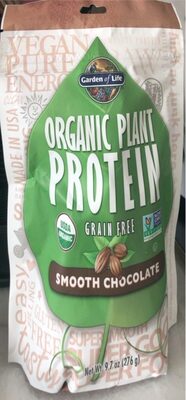
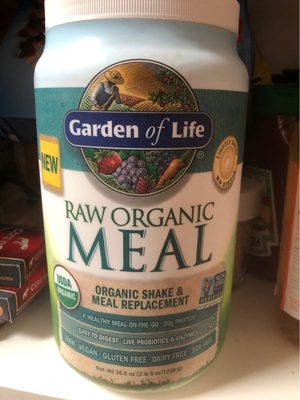
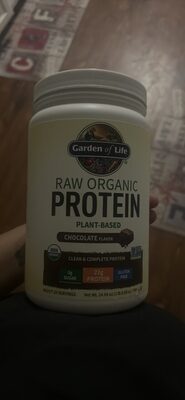
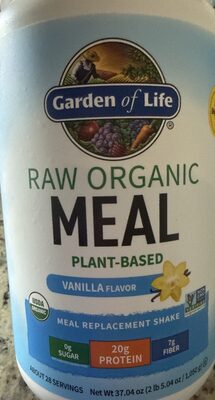
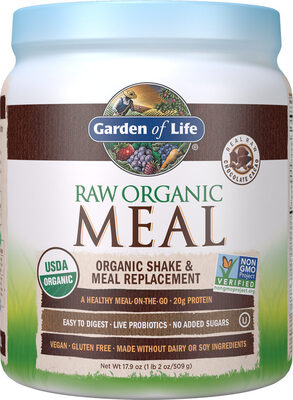
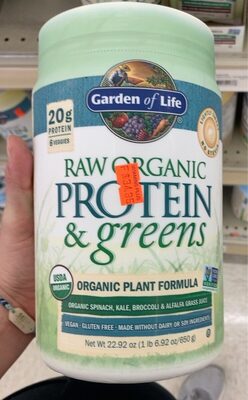
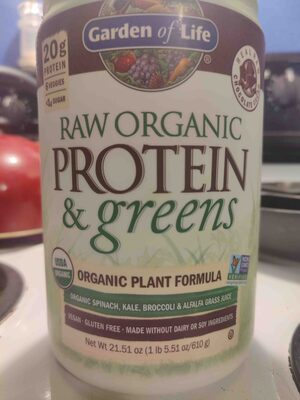
Foods that contain Peptidase
Compare products →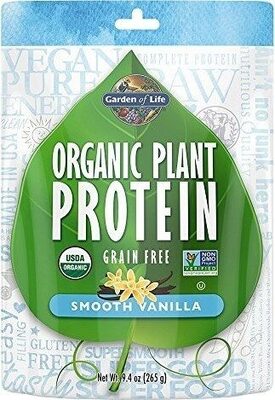
Auto-generated content. This description was generated automatically and is pending editorial review. Inaccuracies are possible. Found a mistake? Contact us.