Xylanase
What is Xylanase?
Xylanase is an enzyme that breaks down xylan, a type of complex carbohydrate found in plant cell walls. It is typically produced through the fermentation of microorganisms like bacteria or fungi. These microorganisms are cultivated under controlled conditions to maximize xylanase production.
Is Xylanase vegan?
Xylanase is not animal-derived. Products that contain it can still include other animal-derived ingredients, so check the full ingredient list.
Is Xylanase gluten-free?
It does not contain gluten.
Is Xylanase a major allergen?
Xylanase is an enzyme derived from microorganisms and is not a major allergen.
What is Xylanase used for?
Manufacturers use xylanase to improve the texture and volume of baked goods, particularly bread and buns.
Is Xylanase safe?
Xylanase is generally recognized as safe (GRAS) by the FDA for use in food.
Why it's used
Manufacturers use xylanase to improve the texture and volume of baked goods, particularly bread and buns. It helps to break down pentosans in flour, which can otherwise interfere with gluten development and dough handling. This leads to a softer crumb and increased loaf volume.
Health notes
Xylanase is generally recognized as safe (GRAS) by the FDA for use in food. Enzymes like xylanase are proteins that are typically broken down during digestion and are not expected to have significant health effects at the levels used in food. International bodies like JECFA have evaluated enzymes for food use. There is no widespread controversy regarding the use of xylanase in food.
Allergen info
Xylanase is an enzyme derived from microorganisms and is not a major allergen. It does not contain gluten.
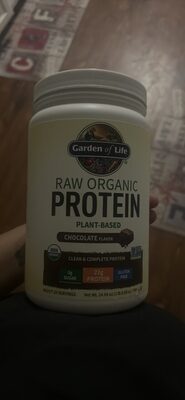
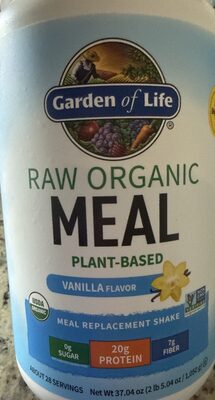
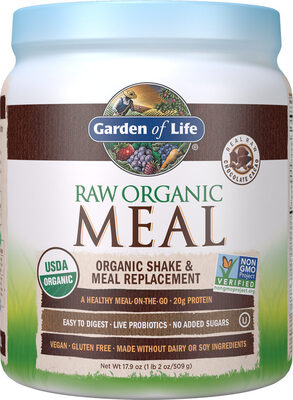
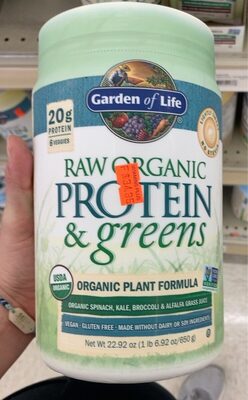
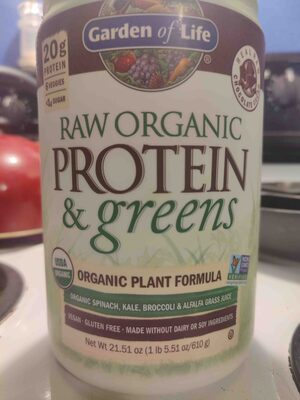
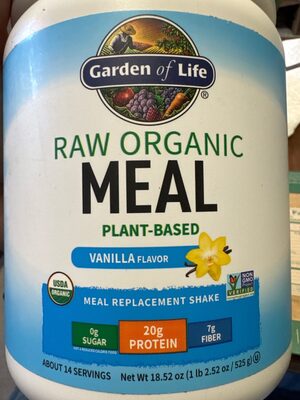
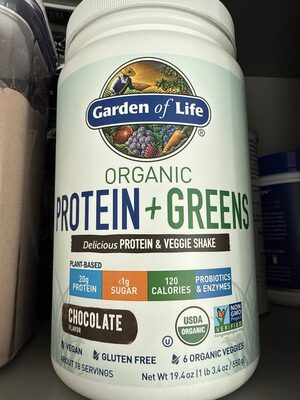
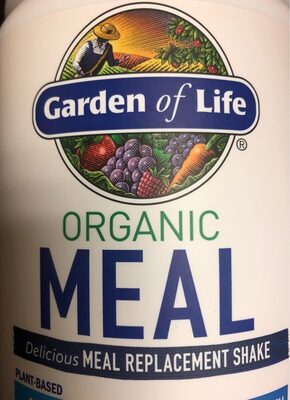
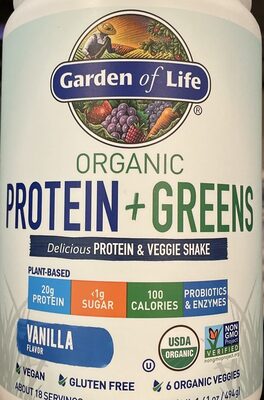
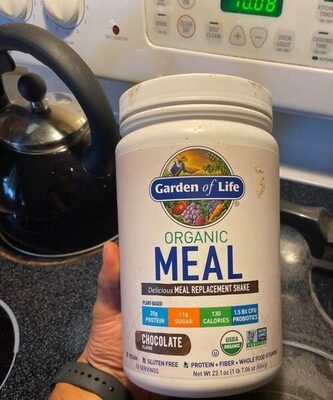
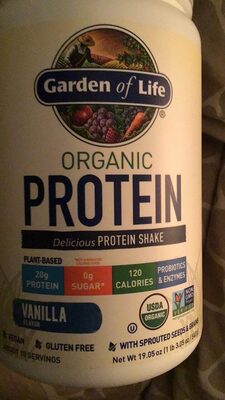
Foods that contain Xylanase
Compare products →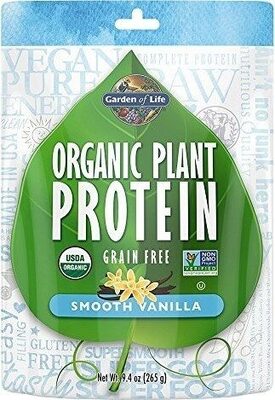
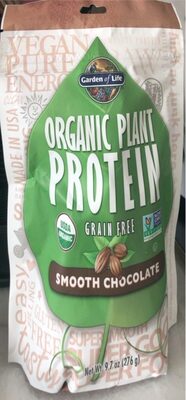

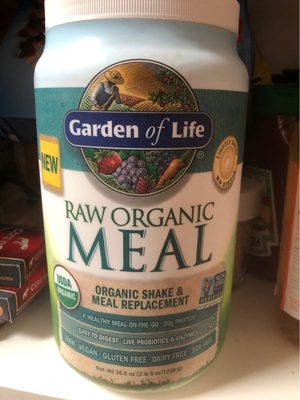
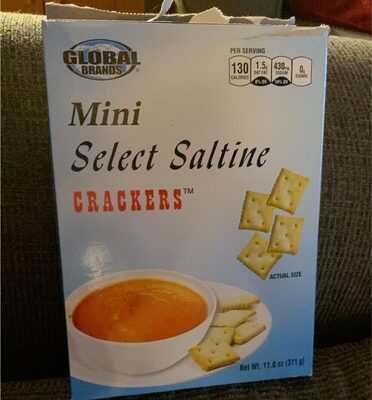

Auto-generated content. This description was generated automatically and is pending editorial review. Inaccuracies are possible. Found a mistake? Contact us.