Pinto Bean Grits
What is Pinto Bean Grits?
Pinto bean grits are made from dried pinto beans that have been milled into a coarse flour or meal. Pinto beans (Phaseolus vulgaris) are a type of common bean native to the Americas and are a staple food in many cultures.
Is Pinto Bean Grits vegan?
Pinto Bean Grits is not animal-derived. Products that contain it can still include other animal-derived ingredients, so check the full ingredient list.
Is Pinto Bean Grits gluten-free?
They are naturally gluten-free.
Is Pinto Bean Grits a major allergen?
Pinto beans are not one of the 9 FDA major allergens.
What is Pinto Bean Grits used for?
Pinto bean grits are used as a gluten-free flour alternative, adding a slightly nutty flavor and texture to baked goods like crackers, breads, and tortillas.
Is Pinto Bean Grits safe?
Pinto bean grits are generally recognized as safe (GRAS) by the FDA when used as food.
Why it's used
Pinto bean grits are used as a gluten-free flour alternative, adding a slightly nutty flavor and texture to baked goods like crackers, breads, and tortillas. They can also be used as a thickener or to add protein and fiber to snack foods.
Health notes
Pinto bean grits are generally recognized as safe (GRAS) by the FDA when used as food. They are a good source of protein, fiber, and various micronutrients. Regulatory bodies like JECFA and EFSA have evaluated pinto beans as a food ingredient. Evidence does not suggest adverse health effects from consuming pinto bean grits at typical dietary levels.
Allergen info
Pinto beans are not one of the 9 FDA major allergens. They are naturally gluten-free.
Foods that contain Pinto Bean Grits
Compare products →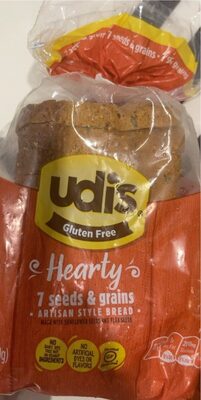
Learn more
Auto-generated content. This description was generated automatically and is pending editorial review. Inaccuracies are possible. Found a mistake? Contact us.