Pirydoxine Hydrocloride
What is Pirydoxine Hydrocloride?
Pyridoxine hydrochloride is a synthetic form of vitamin B6, a nutrient essential for human health. It is manufactured through chemical synthesis and is often used to fortify foods and beverages. Vitamin B6 plays a role in metabolism, brain development, and immune function.
Is Pirydoxine Hydrocloride vegan?
Pirydoxine Hydrocloride is not animal-derived. Products that contain it can still include other animal-derived ingredients, so check the full ingredient list.
Is Pirydoxine Hydrocloride a major allergen?
Not a major allergen.
What is Pirydoxine Hydrocloride used for?
Manufacturers add pyridoxine hydrochloride to foods and beverages as a fortification ingredient to increase their vitamin B6 content.
Is Pirydoxine Hydrocloride safe?
Pyridoxine hydrochloride is recognized as safe and effective by the FDA when used as a nutrient supplement in food.
Why it's used
Manufacturers add pyridoxine hydrochloride to foods and beverages as a fortification ingredient to increase their vitamin B6 content. It is commonly found in powdered drink mixes, cereals, and infant formulas. Its addition helps consumers meet their daily vitamin B6 requirements.
Health notes
Pyridoxine hydrochloride is recognized as safe and effective by the FDA when used as a nutrient supplement in food. It is essential for numerous bodily functions. The Joint FAO/WHO Expert Committee on Food Additives (JECFA) has evaluated vitamin B6 and its derivatives, establishing acceptable daily intakes. At typical dietary levels, it is considered safe and beneficial.
Allergen info
Not a major allergen.
Foods that contain Pirydoxine Hydrocloride
Compare products →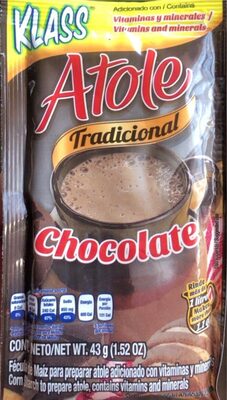 Grupo Dilcomer, S.A. De C.V.
Chocolate Traditional Atole, Chocolate
372kcal
0Protein
0Fat
93.0Carbs
Grupo Dilcomer, S.A. De C.V.
Chocolate Traditional Atole, Chocolate
372kcal
0Protein
0Fat
93.0Carbs
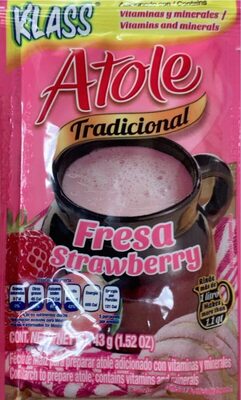 Grupo Dilcomer, S.A. De C.V.
Strawberry Flavored Atole, Strawberry
—kcal
0Protein
0Fat
93.0Carbs
Grupo Dilcomer, S.A. De C.V.
Strawberry Flavored Atole, Strawberry
—kcal
0Protein
0Fat
93.0Carbs
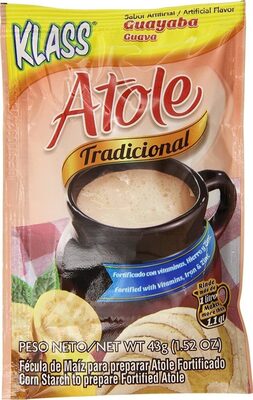 Grupo Dilcomer, S.A. De C.V.
Guava Flavored Atole, Guava
372kcal
0Protein
0Fat
93.0Carbs
Grupo Dilcomer, S.A. De C.V.
Guava Flavored Atole, Guava
372kcal
0Protein
0Fat
93.0Carbs
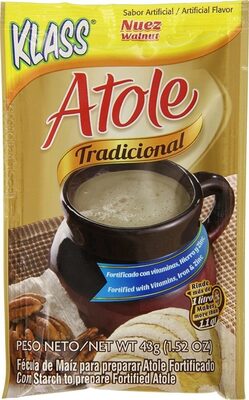 Grupo Dilcomer, S.A. De C.V.
Walnut Flavored Atole Beverage Mix, Walnut
372kcal
0Protein
0Fat
93.0Carbs
Grupo Dilcomer, S.A. De C.V.
Walnut Flavored Atole Beverage Mix, Walnut
372kcal
0Protein
0Fat
93.0Carbs
Learn more
Auto-generated content. This description was generated automatically and is pending editorial review. Inaccuracies are possible. Found a mistake? Contact us.