Pizza Crust: Enriched Wheat Flour
Auto-generated content. This description was generated automatically and is pending editorial review. Inaccuracies are possible. Found a mistake? Contact us.
What it is
Enriched wheat flour is wheat flour that has had certain nutrients added back after they were removed during processing. These typically include iron and B vitamins like folic acid, riboflavin, niacin, and thiamine. This enrichment helps restore nutrients lost when the wheat grain's outer layers (bran and germ) are removed.
Why it's used
Manufacturers use enriched wheat flour as a primary ingredient to provide structure and bulk in many baked goods. It is a staple in products like breads, cakes, cookies, and pasta, and is commonly found in pizza crusts, crackers, and cereals.
Health notes
Enriched wheat flour is a widely consumed food ingredient in the US. The FDA supports nutrient enrichment programs to address common nutrient deficiencies in the population. While generally recognized as safe for most people, individuals with celiac disease or gluten sensitivity must avoid wheat products, including enriched wheat flour, due to its gluten content. There are no specific JECFA or EFSA evaluations for 'enriched wheat flour' as a whole, but the individual enriching nutrients have been evaluated.
Allergen info
Wheat is one of the nine major food allergens identified by the FDA. This ingredient contains gluten, which can cause adverse reactions in individuals with celiac disease or gluten sensitivity.
Products containing Pizza Crust: Enriched Wheat Flour
Compare products →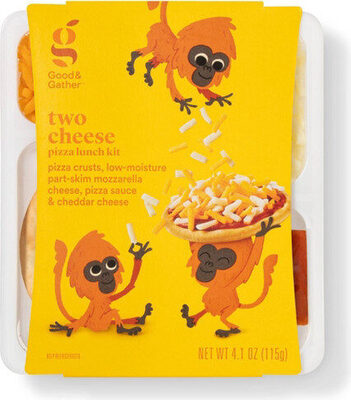 Target Stores
Two Cheese Pizza Crusts, Low-Moisture Part-Skim Mozzarella Cheese, Pizza Sauce & Cheddar Cheese Pizza Lunch Kit, Two Cheese
High in sodium — 25% DV per serving
High in saturated fat — 40% DV per serving
270kcal
13.0Protein
12.2Fat
28.7Carbs
Target Stores
Two Cheese Pizza Crusts, Low-Moisture Part-Skim Mozzarella Cheese, Pizza Sauce & Cheddar Cheese Pizza Lunch Kit, Two Cheese
High in sodium — 25% DV per serving
High in saturated fat — 40% DV per serving
270kcal
13.0Protein
12.2Fat
28.7Carbs