Polyvinylpyrrolidone
What is Polyvinylpyrrolidone?
Polyvinylpyrrolidone (PVP) is a synthetic polymer made from vinylpyrrolidone. It is a water-soluble plastic that is produced through a process called polymerization, where small vinylpyrrolidone molecules link together to form long chains.
Is Polyvinylpyrrolidone vegan?
Polyvinylpyrrolidone is not animal-derived. Products that contain it can still include other animal-derived ingredients, so check the full ingredient list.
Is Polyvinylpyrrolidone gluten-free?
It does not contain gluten.
Is Polyvinylpyrrolidone a major allergen?
PVP is a synthetic polymer and is not derived from any of the nine FDA major allergens.
What is Polyvinylpyrrolidone used for?
PVP is used as a stabilizer and thickener in food products.
Is Polyvinylpyrrolidone safe?
In the United States, PVP is generally recognized as safe (GRAS) by the FDA for use as a food additive.
Why it's used
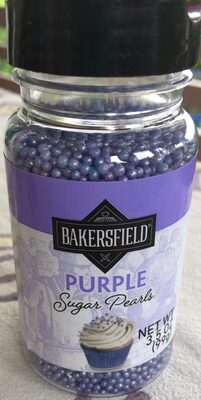
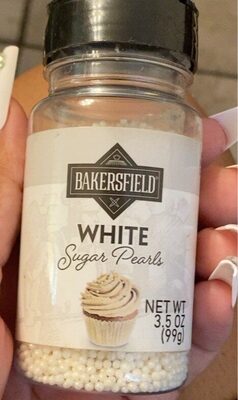
PVP is used as a stabilizer and thickener in food products. It helps to keep ingredients evenly distributed and prevents them from separating. It is commonly found in baking decorations, such as colored sugars and sprinkles, to help the color adhere to the sugar crystals.
Health notes
In the United States, PVP is generally recognized as safe (GRAS) by the FDA for use as a food additive. It is also approved for use in some countries by the European Food Safety Authority (EFSA). JECFA has evaluated PVP and established specifications for its use in food. Studies have not shown significant adverse health effects from consuming foods with PVP at typical levels.
Allergen info
PVP is a synthetic polymer and is not derived from any of the nine FDA major allergens. It does not contain gluten.
Foods that contain Polyvinylpyrrolidone
Compare products →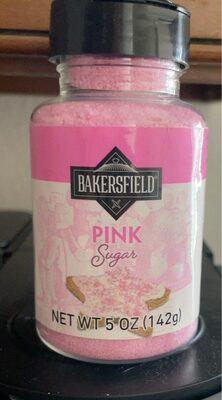
Auto-generated content. This description was generated automatically and is pending editorial review. Inaccuracies are possible. Found a mistake? Contact us.