Pork Added: Mechanically Separated Turkey
What is Pork Added: Mechanically Separated Turkey?
Mechanically separated turkey (MST) is a paste-like poultry product made from turkey carcasses after the meat has been removed by mechanical means. The process separates bone, skin, and connective tissue from the edible meat, which is then ground into a fine paste.
Is Pork Added: Mechanically Separated Turkey vegan?
No. Pork Added: Mechanically Separated Turkey is animal-derived, so it is not vegan.
Is Pork Added: Mechanically Separated Turkey a major allergen?
Not a major allergen.
What is Pork Added: Mechanically Separated Turkey used for?
MST is often used as an ingredient in processed meat products like hot dogs, sausages, and deli meats.
Is Pork Added: Mechanically Separated Turkey safe?
Mechanically separated turkey is permitted for use in processed foods by the FDA.
Why it's used
MST is often used as an ingredient in processed meat products like hot dogs, sausages, and deli meats. Manufacturers use it to increase protein content and improve texture and yield in these products.
Health notes
Mechanically separated turkey is permitted for use in processed foods by the FDA. Some studies have looked at the nutritional profile of MST, noting it can be a source of protein and calcium. Regulatory bodies like JECFA have evaluated similar mechanically separated meat products. Evidence on the health effects of consuming typical amounts of MST is limited.
Allergen info
Not a major allergen. Turkey is not one of the 9 FDA major allergens.
Foods that contain Pork Added: Mechanically Separated Turkey
Compare products →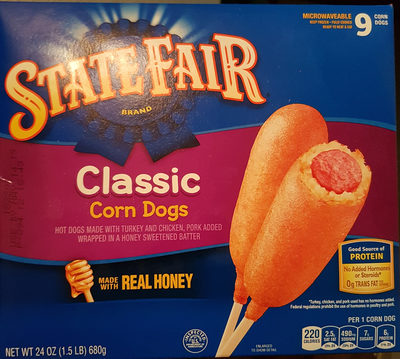
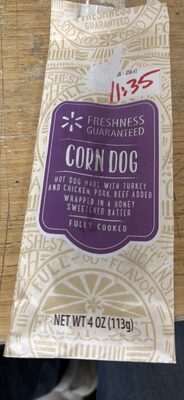
Learn more
Auto-generated content. This description was generated automatically and is pending editorial review. Inaccuracies are possible. Found a mistake? Contact us.